Showing posts with label cooperative grouping. Show all posts

Friday, March 17, 2023

Literature Circles: Paper Trays and Protocols

This is the third in a series of blog posts about Literature Circles. You can find the other posts on my Spotlight webpage. My previous submission covered how my Literature Circle students select the books they will read during a three-week cycle and how they create schedules of which pages they will read each night and which roles they will be responsible for during each of the seven meetings they will hold with their group members during that time. I will now turn to how I distribute and collect the work the students do for their various roles and how the Literature Circle meetings are organized and managed.


The Organization of Digital and Paper Resources

As I have discussed in previous posts, there are four distinct roles that students perform during a Lit Circle meeting. From suite to suite and meeting to meeting, roles can vary, so students need to be provided with instructions for their particular roles for each meeting. I do this in two ways. First, I provide instructions for each role in a posting about the upcoming meeting on Google Classroom. In addition to these instructions, students are given access to digital versions of the thinking map jobs that are to be completed for each role. Often, there are also sample maps and other resources included in this space to help them complete their jobs (You can see examples of all of this in the image below). Posting the job sheets and resources digitally ensures that students have access to them even if they are absent or have misplaced their paper copies.


Due to the fact that many students do not have consistent access to computers or printers when they are not at school, I also provide each student with a paper copy of the instructions for their particular job. In the back of my classroom, there is a table with various stacks of paper trays atop it. One set of trays contains all of these instructions, along with any other necessary resources (such as tips on how to identify major events in a narrative). 


On the first day of a new Literature Circle cycle, students go back to grab these resources one job at a time. The same routine is followed at the end of each meeting because each student will perform a different role at the following meeting two days later (and because at least two of the Thinking Map jobs change for each meeting).


Meeting Protocols

One of my first priorities at the beginning of each school year is to teach my Literature Circle students how to transition to and operate within a meeting. This might sound like simple stuff, but, as I always tell my kids, if the meetings don’t look and sound right, they probably aren’t going to function well. In fact, I often spend the first three-week cycle of Literature Circles solely focusing on the procedures and protocols discussed below, and I use fishbowls to teach and reteach them throughout the year.


On the day I announce which books students will be reading, I also provide each group with a number. These group numbers correspond to numbers I have written on little stickers on the ceiling above various open spaces around my classroom. I have made sure each open space is far enough away from the other meeting locations to allow each group to have a private conversation. Students are instructed to walk to their designated meeting spot and locate a nearby chair (as opposed to dragging their own chairs across the room).

Once all the group members have arrived, the student fulfilling the Discussion Leader role (a job that involves writing questions based on the six levels of Bloom’s Taxonomy) checks to make sure that everyone has come prepared with their books and completed Thinking Map jobs. The Discussion Leader then reviews the SOLAR protocols. SOLAR is an acronym that stands for:

S- Square off: Sitting in a square (meaning the feet of each chair touch the feet of the chairs on either side of it)

O- Open: Bodies facing each other (meaning each student should face the student across from them with their shoulders equidistant from the shoulders of the kids on either side)

L- Lean: Leaning in (I like to use a yardstick to show them how much closer they are to each other when they lean in instead of leaning back. This makes it much easier to use private voices.)

A- Attend to others: Pay attention

R- Respond: One at a time


Once everyone is sitting properly with their books and work in hand, the meeting begins with the Summary Specialist performing their role (I have already discussed this role in detail in a previous blog post). The logic behind beginning with the Summary Specialist is that it helps to make sure everyone agrees on the major events they have read about in the preceding two days before diving into the finer points of the story. As is the case with all of the other roles, the Summary Specialist’s job is not to simply read the contents of their completed thinking map to the group. Instead, they are expected to elicit a summary from the other three group members. I have included Reciprocal Teaching Protocols at the bottom of each set of instructions so that students can rehearse what they will say when it is their turn to be the “teacher” (You can see an example in the following image). 

Once the Summary Specialist has completed their role, the Discussion Leader takes their turn, followed by the Thinking Map Strategy and Thinking Map Skill students. When the meeting has come to an end (I usually allot about 20-25 minutes depending on the circumstances), the Discussion Leader collects everyone’s work and puts it in a paper tray labeled with their corresponding group number. Students then take turns walking over to the paper tray table to grab their job sheets for the next meeting (assuming the completed meeting was not the last one in the cycle). 


The contents of the various Thinking Map jobs students do to prepare for their Literature roles will be discussed in future blog posts. Please check back frequently for updates!


Writing Every Day,

Eric Lovein
Thursday, December 30, 2021

Trouble-Shooting Kagan: Getting Cooperative Learning to be Cooperative

By Heather Pfrunder, M.A.Ed          SDC Teacher and Education Specialist

December 30, 2021


Watching Kagan strategies in action one can’t help but be excited at the level of student engagement.  Student responses which exude inactive reflection and minimal regurgitation transform into animated critical thinking.  The brain science and research behind Kagan strategies is impressive and exciting: it takes in account the varied ways our brain is engaged and uses structures and systems to ensure optimal learning.  Through the practice of collaborative learning, the brain simultaneously is engaged in multiple parts. The social structures form an emotionally safe learning environment, often while nourishing the brain through motion. You could spend a college semester learning all the facets to Kagan and the brain research behind each minute component for it’s cooperative learning structures. However, teachers with fledgling Kagan experience often are encouraged to simply “start with the Robins.” Kinda Techy Teachers on TPT has a great free resource to access visual explanations and how to use the top 5 Robin Structures.


 Click Here for a Free Resource!


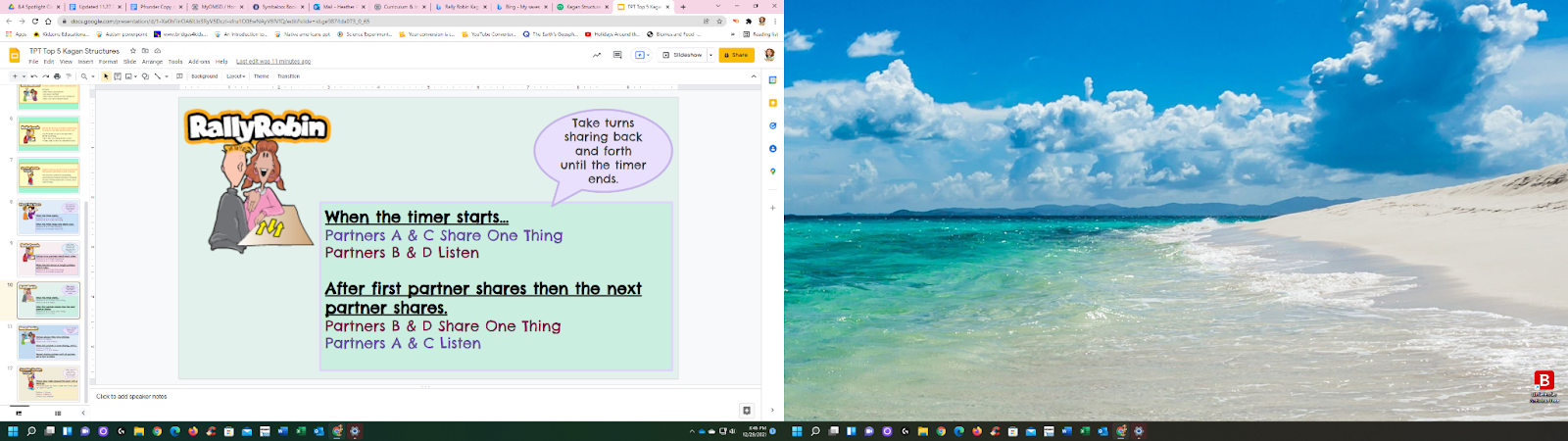
Example of a “Robin” Structure in the free TPT

Resource linked above.


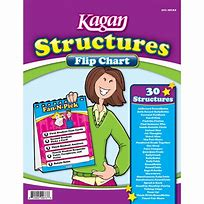
This way teachers and students learn some of the basic structures and can apply them to any subject matter.  It is not the content that is being changed, rather the format of the lesson.  For many teachers the quick diagram of expectations found in the Kagan flip book is simple enough to function for many of their students.


Flip Book page example.


Colleague Randi Muehlen describes many wonderful ways to implement Kagan in her post Kids Love to Talk. However, if we are teaching ALL students, and “all means all,” chances are you have had a student (or three) who are challenged to cooperatively work in cooperative learning groups. In reflection, this challenge happens for several reasons: social skill deficits, academic skill deficits, or a combination of both represented by cognition challenges. So here we go again, my teacher friends!  A list of shortcuts, tips, and printable visual aids to address Kagan challenges is headed your way!  Because honestly, the learning pay-off is so very worth it!


1.Social Skills: In trouble shooting social skills challenges (i.e. silliness, off-task behavior, bullying, shyness…) there are commonalities among strategies to address the different kinds of social skill deficits. Modeling, praise, team reflection, and purposeful team role assignments can shape mal-adaptive behaviors into behaviors that are productive and helpful team-building.  To address the needs of all students you may find yourself rotating between strategies to give all unique students a chance to exercise growth in an area of social skills development. Chapter 11 of the Kagan book outlines Social Skills challenges, solutions, and suggested structures and feedback.  Here is a condensed and shortened list of challenges and solutions for your reference:

 Kagan Social Skills Solutions. Click here!

Social skills are a major component to cooperative learning.  However, often they are a way to cover up another challenge: academic skill deficits.


2.Academic Skill Deficit: In this area there are two key take-aways to address supporting students that may need more scaffolding in order to actively participate with their peers. The first is relatively simple: do your students understand the concepts that they are learning?  Are they able to use key vocabulary in discussions?  For students with unique learning needs this may mean that they may need to use notes with how-to steps and examples or simple vocabulary sheets with visuals and/or sentence frames.  Below are some examples of content vocabulary.


Top: More descriptive vocabulary with visuals to aid in conversation

 for mid-need learners -found on TPT American Revolution Word Vocab.


Bottom: Simple sorting and matching vocabulary for collaboration activities 

for higher-need/less verbal learners - found on TPT water cycle bingo.


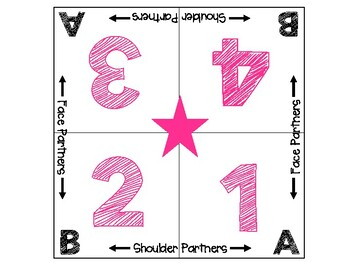
The second scaffold has to do with grouping and “Positive Interdependence.” (This is the “P” in the Kagan acronym “PIES” standing for Positive Interdependence, Individual Accountability, Equal Participation, and Simultaneous Interaction.)  How we set up individuals in groups can either benefit or challenge academic growth. Strong interdependence means that each member of the group is needed for the task to be completed.  This takes careful structuring of both the task instructions (ensuring that each member of the group is building on each other’s contributions) and the careful structuring of groups.  For example, the highest achieving learner typically should not be paired with the lowest achieving learner.  Instead, group your students into 4 groups: high, high-medium, medium-low, and low.  Keep teams within 1-2 levels within their range and assign roles based on strengths and/or needs.  Number and group roles or strengths within numbers 1-4, so that you can make instructional decisions which will work for both the individual and the team.  If individual growth is not happening at the rate you were hoping for and you have adjusted strategies based on challenges, it may be time to mix up groups.


Left: Colorful Crayon Creations has this Kagan structure mat free.  

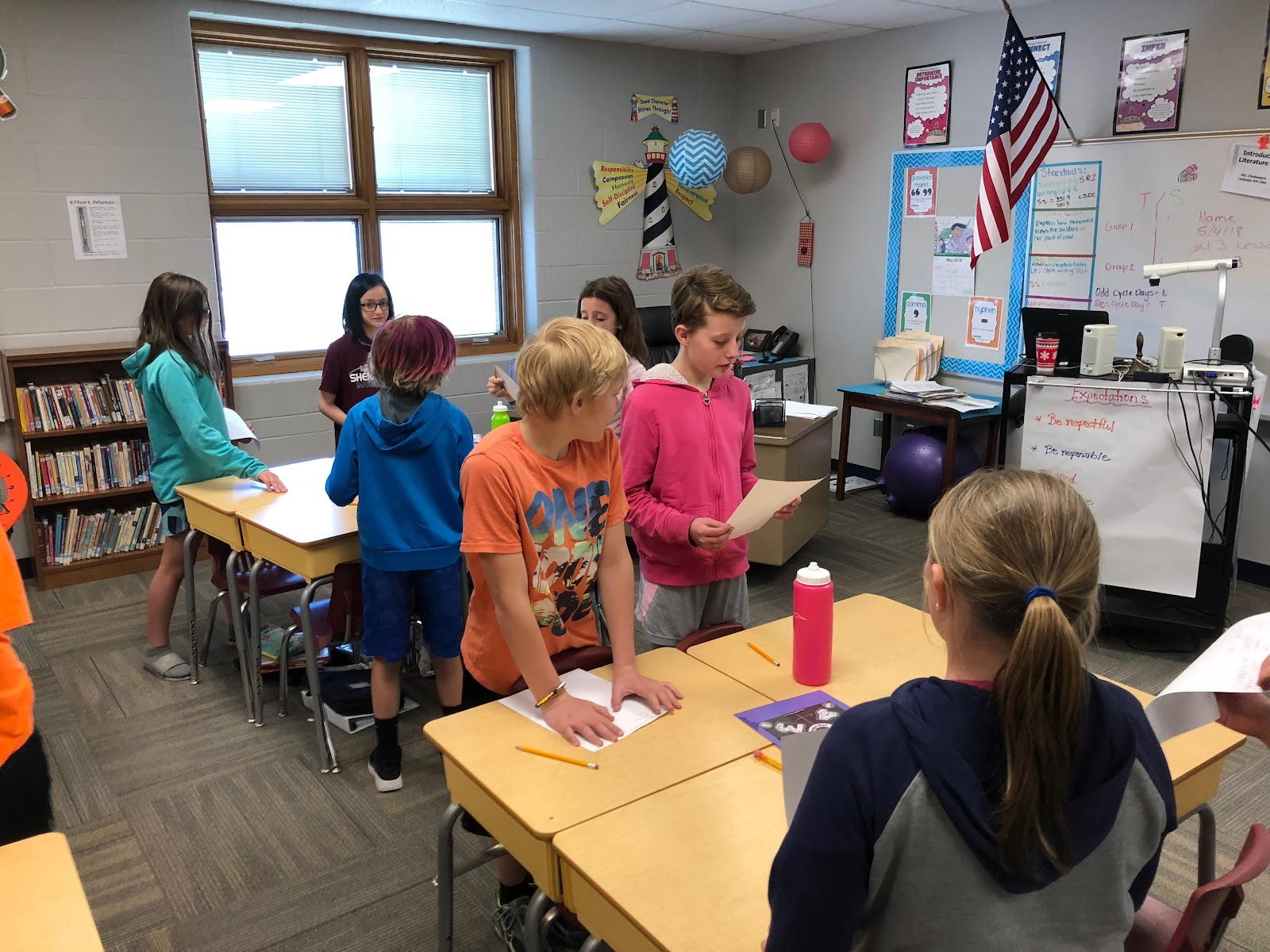
Right: Students pictured here are working in Kagan Groups. 

Their roles correspond with their numbers.


Kagan Mat Free! Click here!


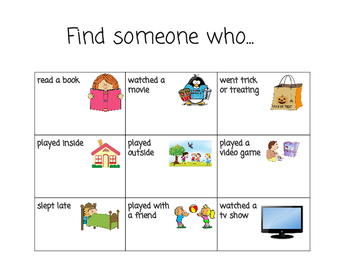
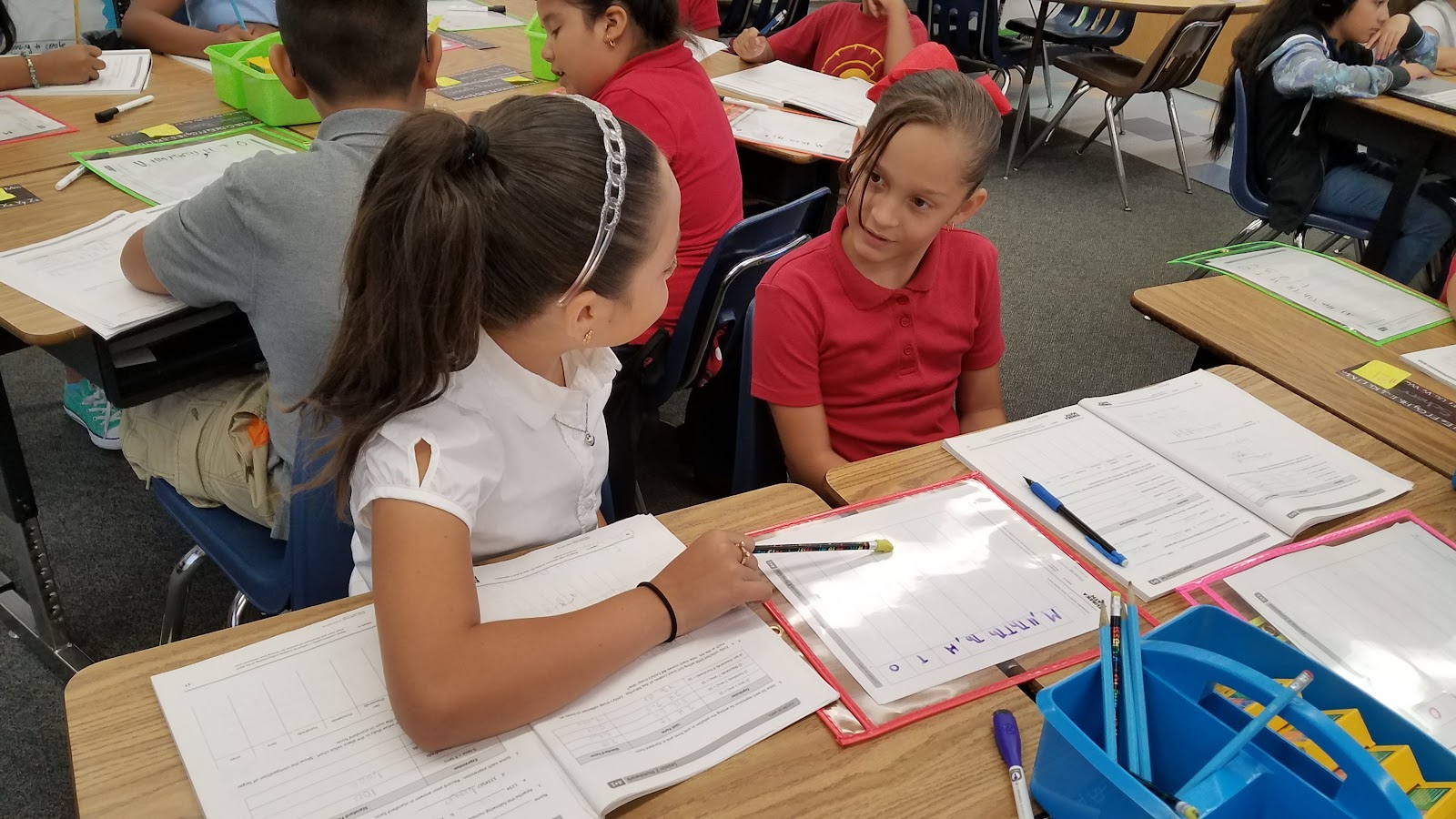
3.Cognition Challenges:  As a teacher who is charged with the teaching of students with unique learning needs, Kagan can seem daunting.  It is skill upon skill that needs to be taught before groups even come close to true cooperative learning.  For this I have found that starting with simple social skills activities paired with specific structures and visuals create better successes. Think about some of our SEL lessons where we practice celebrating and sharing as individuals.  A simple practice of “Find Someone Who…” is a fun way to practice communication skills (click the link below for the resource from True Little Teacher on TPT).  I would initially have students practice this while seated with a “Face Partner,” but would work towards having students walk and find a friend within a specified area of the classroom (painters tape on the floor is fantastic for setting visual boundaries).

Someone Who Kagan Resource for Unique Learners


Other additional resources for Kagan really have to do with setting expectations and teaching the specific structures.  What does expected cooperative learning look like?  While Kagan uses structures and processes to facilitate learning, it prefers the flexibility of original thought. Afterall, it is the purpose is critical thinking.  However, for learners with higher levels of challenge, processes and expectations need to be specifically outlined for them. To facilitate this I have created a special resource.

Click Here for Adapted Kagan Strategies, Free!!


Being on the look out for what is working (or not) and why is second nature to educators. Simple adjustments will ensure the positive impact of both social and academic learning with Kagan. Until next time, wishing you lots of cooperative learning joy!!


Like what you read? Join me in upcoming blog posts where I continue to put these strategies into place and share resources!


Kagan, S., & Kagan, M. (2015) Kagan Cooperative Learning. Kagan Publishing.

Tuesday, December 10, 2019

Collaborative Conversations with Kagan

Collaborative conversations when done though the proper cooperative learning structures (aka Kagan), can be soooo incredibly powerful for student learning! Powerful AND engaging! My students absolutely love doing collaborative discussions. And you may be thinking, "How is this effective? How is letting the kids talk in groups not a waste of time?" Well I'm gonna show you just how effective it is!

To start, you want to make sure you've constructed appropriate collaborative learning groups.  Meaning you want to have an even mix of High, Low, Medium, GATE, EL, EO students, etc.  This keeps the groups well balanced and supports differentiation of instruction for students at all levels.  They are all able to contribute and learn at their own level, while accessing the same content classroom wide.  This is very important to maximize learning. (To learn more about Cooperative Learning structures, see my previous blog posts here: Cooperative Learning Structures  and also here: More on Cooperative Learning Structures/Kagan)

Once you've  created these evenly balanced groups, you want facilitate team building activities.  These are non-academic activities that help students to get to know each other, and to understand the importance of working together as a team, establishing each of their strength's etc.  These activities could be something like building something, creating something, building words out of letters, etc.  This piece is extremely important to help foster student's sense of belonging, and comfort-ability working with each other.  If you skip this essential step, you will probably not get full participation from ALL of your students within their table groups. (see my previous blog for more info in Team Building here: Team Building with Kagan)

Now you're ready to start collaborative, higher level academic discussions! I also teach the students "accountable talk" sentence frames, so that they know how to have a discussion.  Often times I use the Essential Question from the Wonders ELA curriculum that week as the focus point of the discussion, as well as the reading comprehension skills taught that week.  Or, I have students annotate the text before the discussion and have them use their annotations to guide their discussions.  Often times, I will incorporate all of the above into one lesson/discussion.  I also use the Kagan Software with the random selector tools, to choose students at random to share out after each discussion any random selector software, or even just equity sticks will work!).  The students are taught that they can share their idea or one discussed at their table.  I find that my students are VERY  excited to share their peers' ideas just as much as they are their own.  Through establishing these cooperative learning groups and academic talk, my students are VERY VERY good at complimenting each other, giving each other positive feedback, helping out their peers when in need.  Its really endearing and super cute to watch them.

I  have seen my students year after year, make huge gains and growth in their reading comprehension skills as well as test scores.  Structuring these academic discussions in the correct manner helps facilitate students reading, writing, and research skills, in addition to helping strengthen their speaking and listening skills.  These types of discussions also help students develop a strong understanding of being able to site the text in order to support an original thought or idea of their own.  I encourage you to start using these collaborative discussions in your classroom right away! 

Collaboratively Learning,
Megan Brown
Copy of pic- Megan Brown.jpg

Thursday, August 30, 2018

Teambuilding with Kagan!

Teambuilding with Kagan!


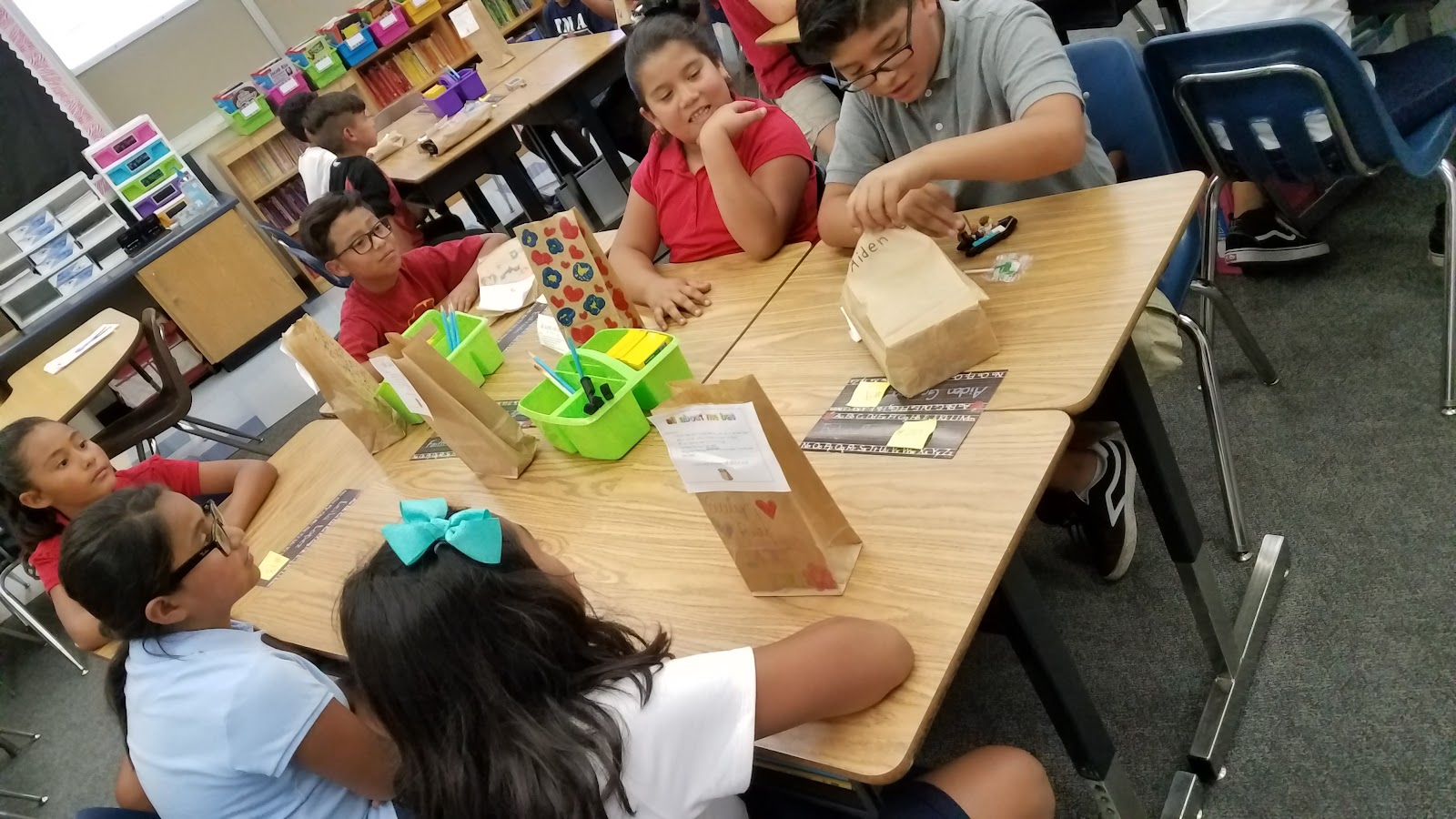
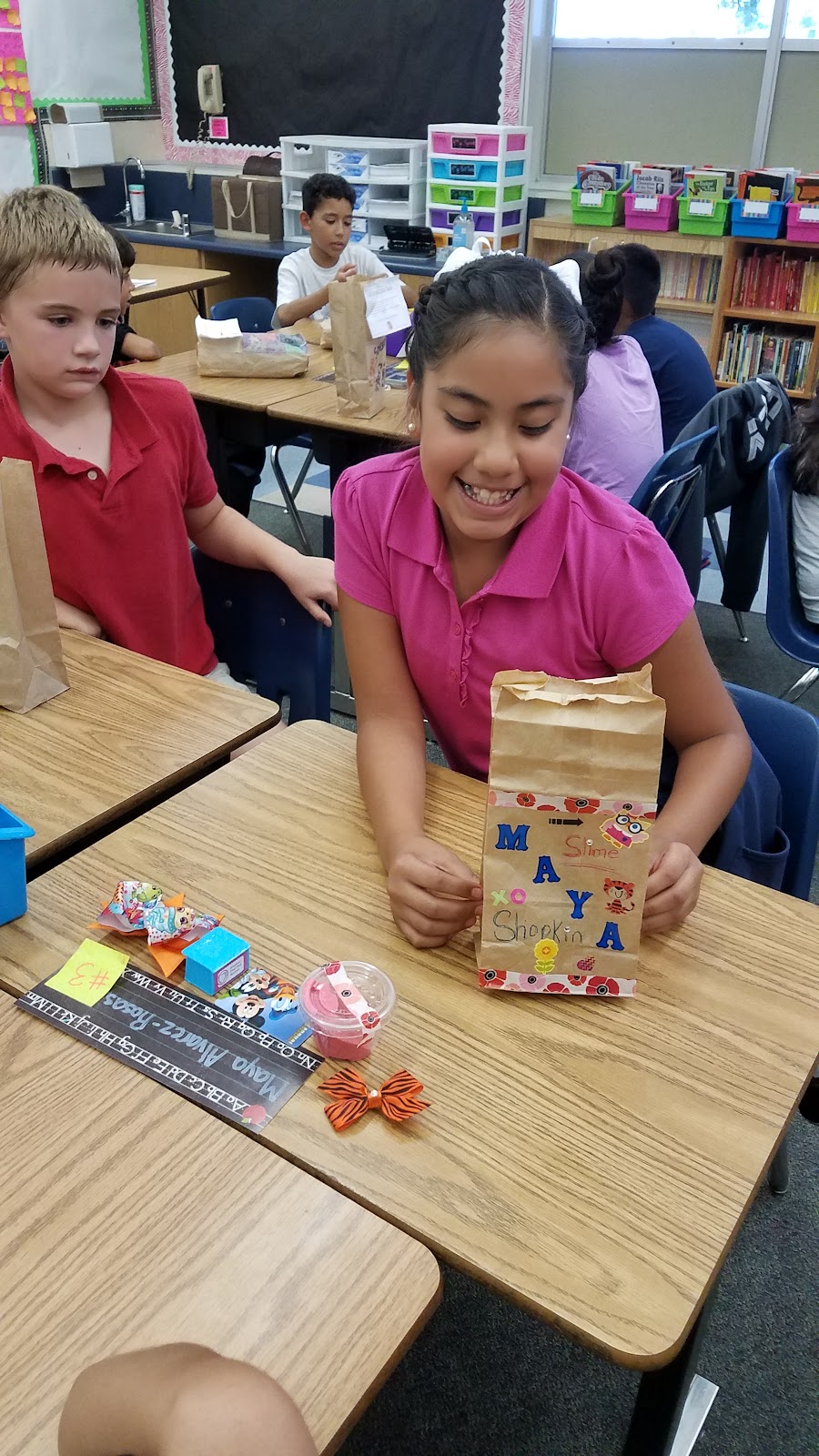
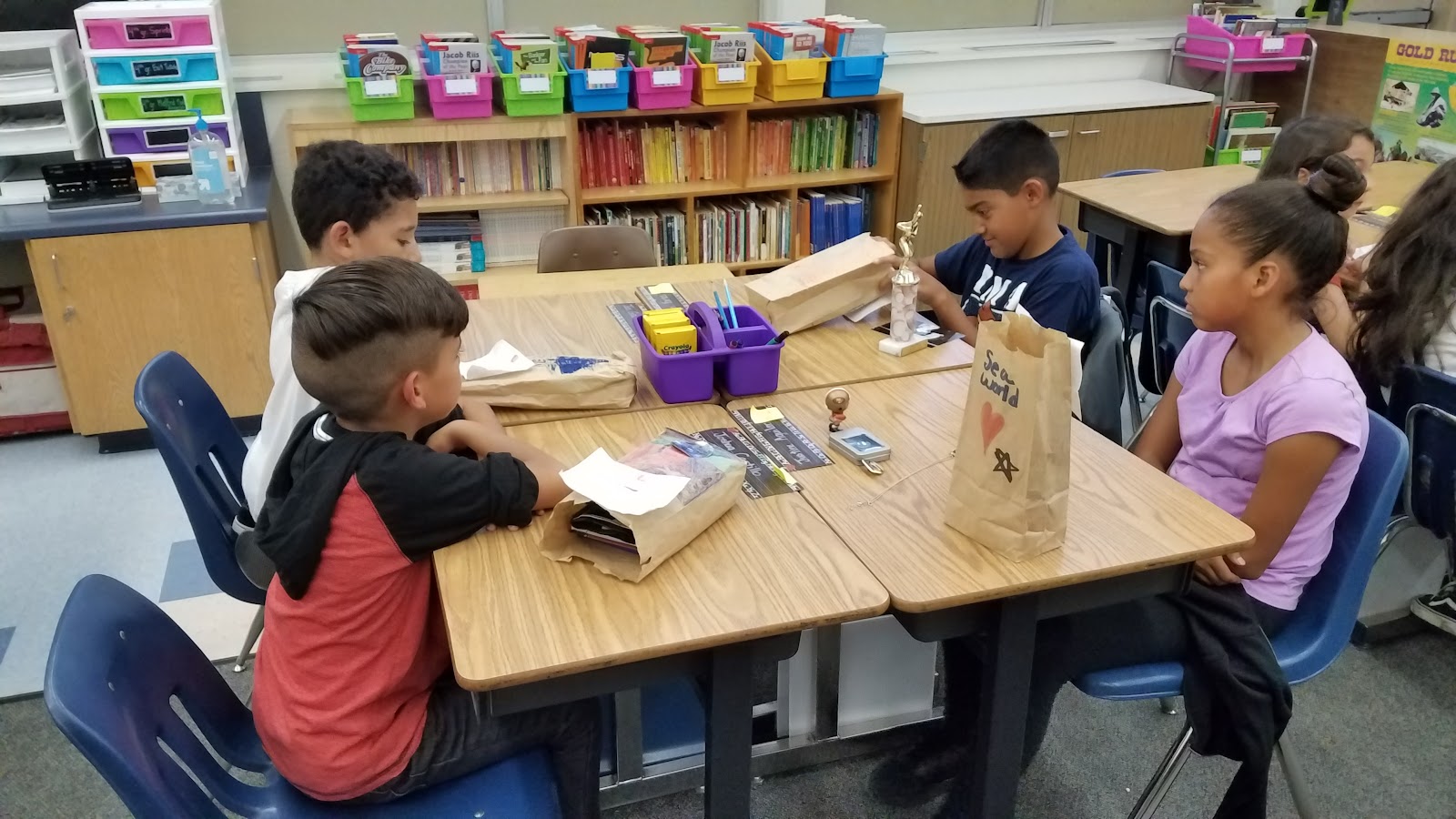
My kiddos sharing the contents of their "Me Bags"
within their table groups
In order to build a sense of community and trust within your classroom, team building should be done every day for at least the first week of school.  After that it is recommended that it be done twice a week to help students maintain that sense of trust.  Team Building should be non-academic in nature, and a task that requires all members of a group to participate in order to complete the task.


Teambuilding creates enthusiasm, trust, and mutual support, which in the long run leads to more effective academic work!   -Dr. Kagan


Effectively organizing teambuilding activities, can help the child who feels the most unsuccessful become the MOST successful member of the team. Every student gets to contribute his/her own skills to better the group as a whole.  I have seen the quietest students blossom into being more active participants in their group and in class in general, which of course then leads them to academic success as well. In the video below you can see my students participating in Kagan Teambuilding activities the first couple weeks of school.  They shared “Me Bags” with their groups, they also participated in the Team Sentence building activity, the Team Word Finder activity, and the About Me Question Cards- just to name a few!  ALL students were engaged and excited to participate with each other. Now being ONLY 3 weeks into the school  year my students are ALREADY working together cohesively in teams, and not just when I ask them to! They are already comfortable enough that they are naturally gravitating towards teamwork even when I haven’t prompted them to do so.  Just today during a teambuilding activity, I heard one of my students say to the other one “Look! Zolin came up with the word “due.” That was a good word Zolin!” It was super cute, and exactly the type of encouragement, feedback, and respect that I hope to build into my students!


Kagan says that through teambuilding students get to know, like, and respect their teammates. Student teams meet some of students most important needs: to feel known; to feel liked; to feel accepted; to feel a sense of belonging; and to be successful. Here are the 5 essential components that Kagan suggests are needed to develop cohesive teams:


1.  Getting Acquainted: Getting to know your teammates.  I used the “Me Bag,” and the “About Me Questions” activities from Kagan, to help implement this structure (seen in the video above).  


 2.  Team Identity: Forming a team identity.  You can have students create team names, posters, cheers, etc.  I have my kiddos come up with team cheers.  They love doing this, and they come out super cute.  I also used the “Team Word Finder” and the “Team Sentences” activities from Kagan to reinforce this as well.


 3. Mutual Support: Feeling supported by teammates. Helping students create a feeling of mutual support when they know that they can and need to rely on each other.


 4.  Valuing Differences: Clarifying and respecting differing values.  These are activities that clarify an individuals own values and beliefs and help students come to an understanding where they respect each other’s individuality and differences.


 5. Developing Synergy: Building on teammates contributions. These are tasks that encourage students to build on each other’s ideas.  When cooperatively working in a group, the group product can be better than the product of even the most accomplished individual.  You want your students to reach this level of cooperative learning in order to maximize their learning experience. 


Collaboratively Learning,
Megan Brown
Copy of pic- Megan Brown.jpg


Tuesday, March 13, 2018

Combine Kagan & Math! by Kimberly Smith


Combine Kagan & Math!


When I was a student, one of the things I loved most about school was the fact that it was fun!  Now that I’m a teacher, I know how difficult it can be to make things “fun” while also trying to keep up with the rigorous pacing, especially in math. One of the easiest ways to spice up content is to try a Kagan cooperative learning structure or two!

Using cooperative learning structures in your class will not only make the content more exciting, it will also get your kids to become more engaged.  Why is this, you may ask? Well, your students don’t really have a choice because one hundred percent of your students will be participating!

Because my students have been practicing certain Kagan structures for so long, they are very well versed in how to work with teams or partners.  They know how to mix around the room without being disrespectful, and they know how to form groups quickly without wasting precious time. I’ve heard many teachers say things like, “My classroom gets too loud using cooperative learning structures” or, “My students can’t handle it.”  As much as I understand what it’s like to have a rough class (I’ve been there before), I sincerely believe that any class can handle using the structures as long as you are very deliberate in teaching the do’s and don’ts of each one.

“Practice does not make perfect.  Only perfect practice makes perfect.”
--Vince Lombardi
Modeling how a certain structure should look and how it should not look is a great place to start when teaching a new Kagan structure.  I start teaching new structures on the first day of school, and I never really stop throughout the year. Ask for a volunteer in the class to be your partner and model the wrong way, (I do this in a funny, obvious way) and then model the right way.

During math time, I definitely have my go-to structures.  When you have go-to’s that are easy and quick to use, they’ll be a lot easier to throw into your lessons.  One way to make things less overwhelming is to categorize your favorite structures. For me, I like to separate structures which involve getting up, from structures in which kids remain seated.  Then, I also separate structures which ask for partners, from structures which involve group work. Of course, there are even some structures which are considered whole group. Here are my favorites to use during math time, separated by category:

Seated Structures:

Partner- RallyRobin, RallyCoach, Timed-Pair-Share, Think-Pair-Share
Group- RoundRobin/All-Write-RoundRobin, Talking Chips, Numbered Heads Together (involves standing at the end), Jot Thoughts
Whole Group- Showdown

My go-to’s for seated partner structures:

When solving math problems which involve a process, or several steps, I love to use RallyRobin and RallyCoach.  I usually give partnerships a choice of which strategy they’d like to use. With RallyRobin, partners ping-pong back and forth each solving a step in the math process.  With RallyCoach, one student coaches the other student through the process of solving a problem. Then, when finished, they switch roles, and the other student now gets to be the coach/teacher.  To involve more verbalization of the steps, I have either the “student” or “coach” explain every single step they’re performing, focusing on academic vocabulary.
Another fun add-on to RallyRobin is teacher vs students RallyRobin.  Let’s say I ask students to name prime numbers. I might name a prime number first, and then call on a student with a hand raised to name a different prime.  This back and forth game goes on as long as you’d like as you call on different students to compete against you. The kids have a lot of fun with it because it becomes a challenge as they try to stump the teacher.

My go-to seated structures:
Roundrobin is such an easy structure to use in any subject.  It’s great for discussions or to discuss processes because every student in the group gets a chance to share something.  Each student in the class is held accountable for participating. It’s as easy as putting kids in groups, giving them a discussion starter or problem to discuss, and then saying, “Person 2, please begin.” All-Write-RoundRobin is the same structure except all students are jotting down whatever they're working on. For example, if students are finding the area of a triangle, the first student might share that all students should write down the formula. Therefore, all students write down the formula on their papers.

Talking Chips does the same thing as RoundRobin, but it doesn’t put students on the spot as much since they must put a “chip” in, in order to speak.  However, students must share at some point since the other kids can’t share again until all chips have been put in the middle.

Numbered Heads Together is fun because students share in a group either via RoundRobin or Talking Chips, but then one member of a group is called on to share what was discussed.  For example, you can pull up the Smartboard dice, and if it lands on 3, then person 3 from each group must stand up. Then, you roll the dice again, and this will determine which table group will share.  For example, person 3, table 4. The kids love this structure because it feels like a game, and it’s totally random, so all must pay attention. What’s not to love? :)

Whole Group:
Showdown is appealing to the kids because they get to use whiteboards (you can also use paper).  We use Showdown in conjunction with Eureka's Rapid White Board Exchanges. All you do is list something on the board for students to solve.  Students solve on whiteboards and then turn boards over to let you know they’ve finished. Once you see most students have finished, you count out loud “1,2,3, SHOWDOWN!”  The students also yell out “Showdown” at the same time as they show you their answers. It’s fun and fast at the same time.

Structures Which Involve Movement:

Partner-Mix-Pair Share, Stand-Up, Hand-Up, Pair-Up, Find Someone Who, Quiz-Quiz-Trade
Group-Circle the Sage

My go-to’s for partner structures with movement:
Mix-Pair-Share is really fun for the kids because they get to walk around the room and listen to music (although you don’t have to play music).  It gives them a chance to stretch and converse with different kids. One of its cons is that partnering is at random since you tell them when to pair.  Even though partnering is random, you can still facilitate by walking around the room to listen to as many conversations as you can. I like to use this structure when my students are looking sleepy and could use a stretch break.
StandUp-HandUp-PairUp is another fun and easy to use structure.  It gets kids out of their seats but is not time-consuming whatsoever.  All you have to say is, “Stand Up, Hand Up, Pair Up with someone who is not from your table group.”  You’ll also want to make sure that you explain that this structure should be performed quicker than Mix-Pair-Share and that students should not have to walk very far to find a partner.
Circle the Sage can come in handy when introducing new content. To find out more about Circle the Sage, please click here: Circle the Sage Info

Need to make your students move faster?  Simply countdown while students are finding a partner--especially for your stragglers.  “Okay, 10 more seconds to find your partner. 10-9-8-7…” This usually does the trick.


Educating together,
Kimberly Smith Loya


Monday, September 11, 2017

New Beginnings with Cooperative Grouping!


New Beginnings with Cooperative Grouping!
Cooperative grouping, engagement, and learning through collaborative conversations are SUCH   powerful and essential ways to teach kids to love learning! I have learned throughout the years that not only are these strategies beneficial for your students, they actually make your job as a teacher soooooo much easier(yes really!), and rewarding in the long run.  The  amount of time it takes in the beginning of the year to teach the students these structures and routines will DEFINITELY pay off in the end, for both you the teacher, and your students!

rally-coach.jpgStudents using the Kagan “Rally-Coach” strategy
This is where you assign a partnership a set of problems/questions/activities and they take turns watching and listening to their partner solve/answer (or coach) a problem.
First partner A solves and coaches, while partner B listens and praises them when done.  Next partner B solves and coaches while partner A listens/watches, and praises them when done. This strategy ensure student success as they are teaching and learning from each other.

Throughout this blog, you will gain insight on what collaborative conversations and cooperative grouping structures look like, sound like, and the power of learning that is behind them! I will explain my process along way so that you too can implement these structures with your own students, and then sit back and watch them learn, grow and be successful!!

There’s nothing more disheartening than standing in front of the class, teaching your heart out, and then having the kids stare at you like little deer in the headlights when you ask them to answer a simple question about what they just “learned,” and they can’t.  Any time this happens it is a HUGE indication to me as a teacher that the students are completely disengaged, and that I need to change gears and involve them in a cooperative learning strategy. Engagement is KEY to student learning.  If students are not engaged, they have most likely checked out, which means they are not learning :-(.  Using a multitude of Kagan strategies (aka cooperative grouping strategies) is one of the best ways to keep students engaged and actively participating the lesson and their learning.

“Individual commitment to a group effort- that is what makes a team work, a company work, a society work, a civilization work.” -Vince Lombardi

Collaborative conversations via the use of highly engaging cooperative learning structures is CRUCIAL for student success, and also for students to be held accountable for their OWN learning as well as contributing to the learning of their peers around them!


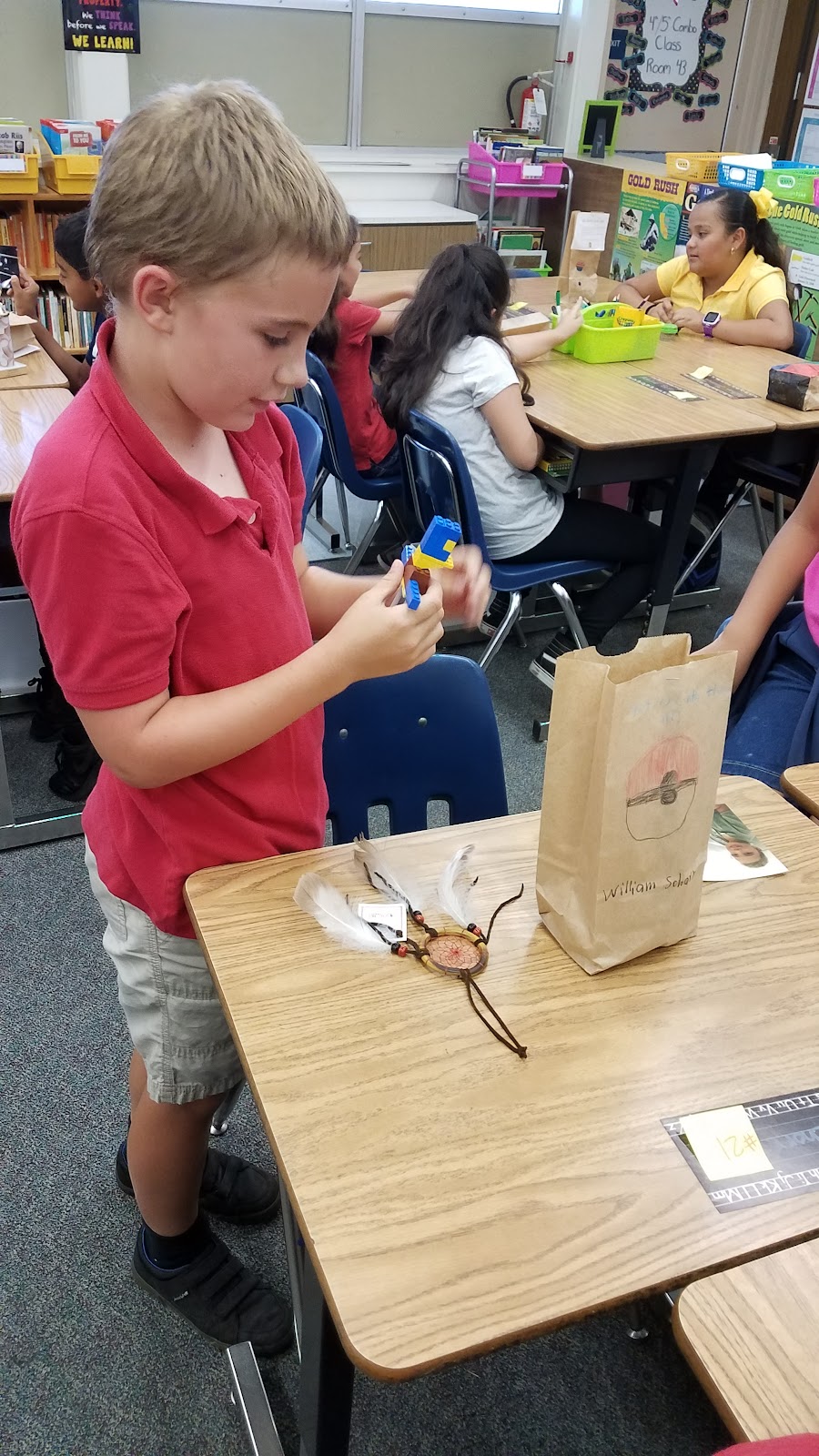
Not only does keeping them engaged help them to learn, working collaboratively with their peers and discussing ideas really gets their little brains working, thinking, and growing!  You want to start small.  You cannot expect students to walk in and just be able to work together in a meaningful and useful way. At the start of the year you have to put procedures in place that help students get to know each other and feel comfortable with one another. For example, the first week of school I had them create “me” bags at home, containing items that they felt described who they are.  I put them into groups and had them take turns going around in their group showing/talking about their items.This helps to build a safe environment where students feel comfortable speaking and listening to each other, and we all get to learn a bit about each other. I put a variety of response frames on the board, and each student in the group had to either comment or ask a question to the person presenting. This is the first step into “training” them to be active participants in a group conversation.  Afterwards, I allowed students to share out with the class about something they had learned about someone at their table, and one little boy says, “I learned that Joshua’s favorite color is red, and I’ve been in his class the last 2 years and never knew that!” This activity is a great way to begin teaching the kids how to be an active participant in a group, how to converse in a respectable manner, and most importantly it builds their self-esteem and confidence when speaking with their peers.

me bags.jpgme bag william.jpgme bag maya.jpgme bags 2.jpg


Collaboratively Learning,
Megan Brown


OMSD.jpg


Most Viewed Posts