Showing posts with label cooperative learning. Show all posts

Thursday, December 30, 2021

Trouble-Shooting Kagan: Getting Cooperative Learning to be Cooperative

By Heather Pfrunder, M.A.Ed          SDC Teacher and Education Specialist

December 30, 2021


Watching Kagan strategies in action one can’t help but be excited at the level of student engagement.  Student responses which exude inactive reflection and minimal regurgitation transform into animated critical thinking.  The brain science and research behind Kagan strategies is impressive and exciting: it takes in account the varied ways our brain is engaged and uses structures and systems to ensure optimal learning.  Through the practice of collaborative learning, the brain simultaneously is engaged in multiple parts. The social structures form an emotionally safe learning environment, often while nourishing the brain through motion. You could spend a college semester learning all the facets to Kagan and the brain research behind each minute component for it’s cooperative learning structures. However, teachers with fledgling Kagan experience often are encouraged to simply “start with the Robins.” Kinda Techy Teachers on TPT has a great free resource to access visual explanations and how to use the top 5 Robin Structures.


 Click Here for a Free Resource!
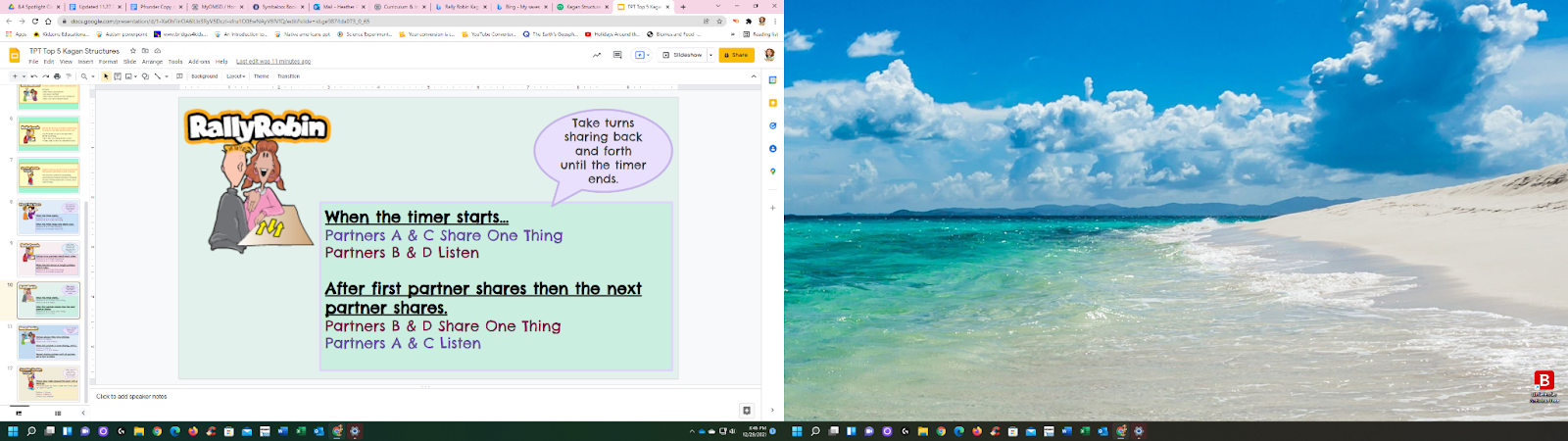

Example of a “Robin” Structure in the free TPT

Resource linked above.


This way teachers and students learn some of the basic structures and can apply them to any subject matter.  It is not the content that is being changed, rather the format of the lesson.  For many teachers the quick diagram of expectations found in the Kagan flip book is simple enough to function for many of their students.
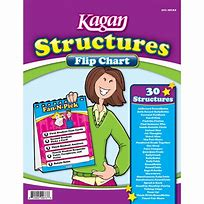


Flip Book page example.


Colleague Randi Muehlen describes many wonderful ways to implement Kagan in her post Kids Love to Talk. However, if we are teaching ALL students, and “all means all,” chances are you have had a student (or three) who are challenged to cooperatively work in cooperative learning groups. In reflection, this challenge happens for several reasons: social skill deficits, academic skill deficits, or a combination of both represented by cognition challenges. So here we go again, my teacher friends!  A list of shortcuts, tips, and printable visual aids to address Kagan challenges is headed your way!  Because honestly, the learning pay-off is so very worth it!
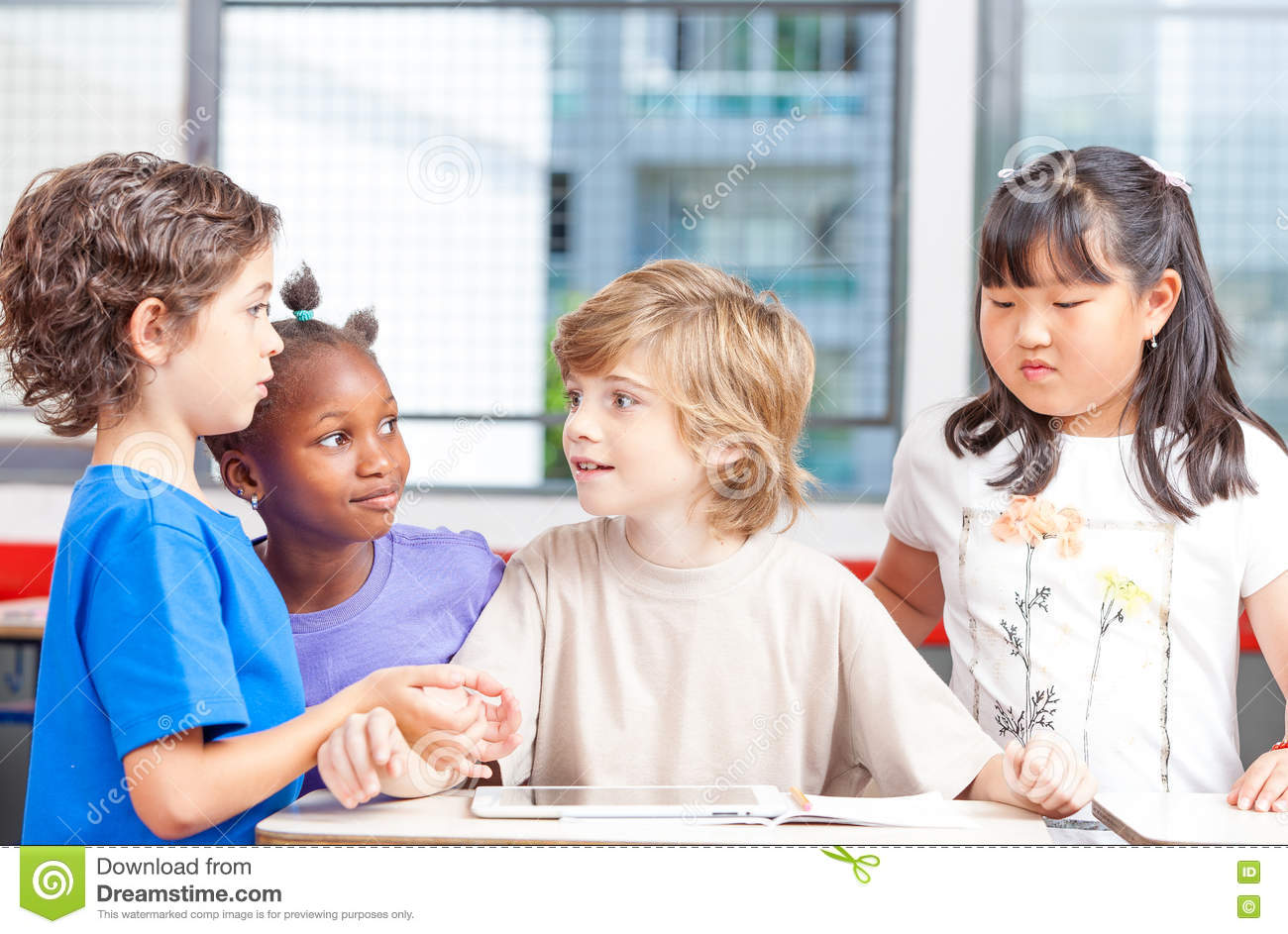


1.Social Skills: In trouble shooting social skills challenges (i.e. silliness, off-task behavior, bullying, shyness…) there are commonalities among strategies to address the different kinds of social skill deficits. Modeling, praise, team reflection, and purposeful team role assignments can shape mal-adaptive behaviors into behaviors that are productive and helpful team-building.  To address the needs of all students you may find yourself rotating between strategies to give all unique students a chance to exercise growth in an area of social skills development. Chapter 11 of the Kagan book outlines Social Skills challenges, solutions, and suggested structures and feedback.  Here is a condensed and shortened list of challenges and solutions for your reference:

 Kagan Social Skills Solutions. Click here!

Social skills are a major component to cooperative learning.  However, often they are a way to cover up another challenge: academic skill deficits.


2.Academic Skill Deficit: In this area there are two key take-aways to address supporting students that may need more scaffolding in order to actively participate with their peers. The first is relatively simple: do your students understand the concepts that they are learning?  Are they able to use key vocabulary in discussions?  For students with unique learning needs this may mean that they may need to use notes with how-to steps and examples or simple vocabulary sheets with visuals and/or sentence frames.  Below are some examples of content vocabulary.


Top: More descriptive vocabulary with visuals to aid in conversation

 for mid-need learners -found on TPT American Revolution Word Vocab.


Bottom: Simple sorting and matching vocabulary for collaboration activities 

for higher-need/less verbal learners - found on TPT water cycle bingo.


The second scaffold has to do with grouping and “Positive Interdependence.” (This is the “P” in the Kagan acronym “PIES” standing for Positive Interdependence, Individual Accountability, Equal Participation, and Simultaneous Interaction.)  How we set up individuals in groups can either benefit or challenge academic growth. Strong interdependence means that each member of the group is needed for the task to be completed.  This takes careful structuring of both the task instructions (ensuring that each member of the group is building on each other’s contributions) and the careful structuring of groups.  For example, the highest achieving learner typically should not be paired with the lowest achieving learner.  Instead, group your students into 4 groups: high, high-medium, medium-low, and low.  Keep teams within 1-2 levels within their range and assign roles based on strengths and/or needs.  Number and group roles or strengths within numbers 1-4, so that you can make instructional decisions which will work for both the individual and the team.  If individual growth is not happening at the rate you were hoping for and you have adjusted strategies based on challenges, it may be time to mix up groups.
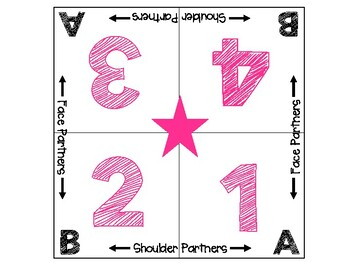
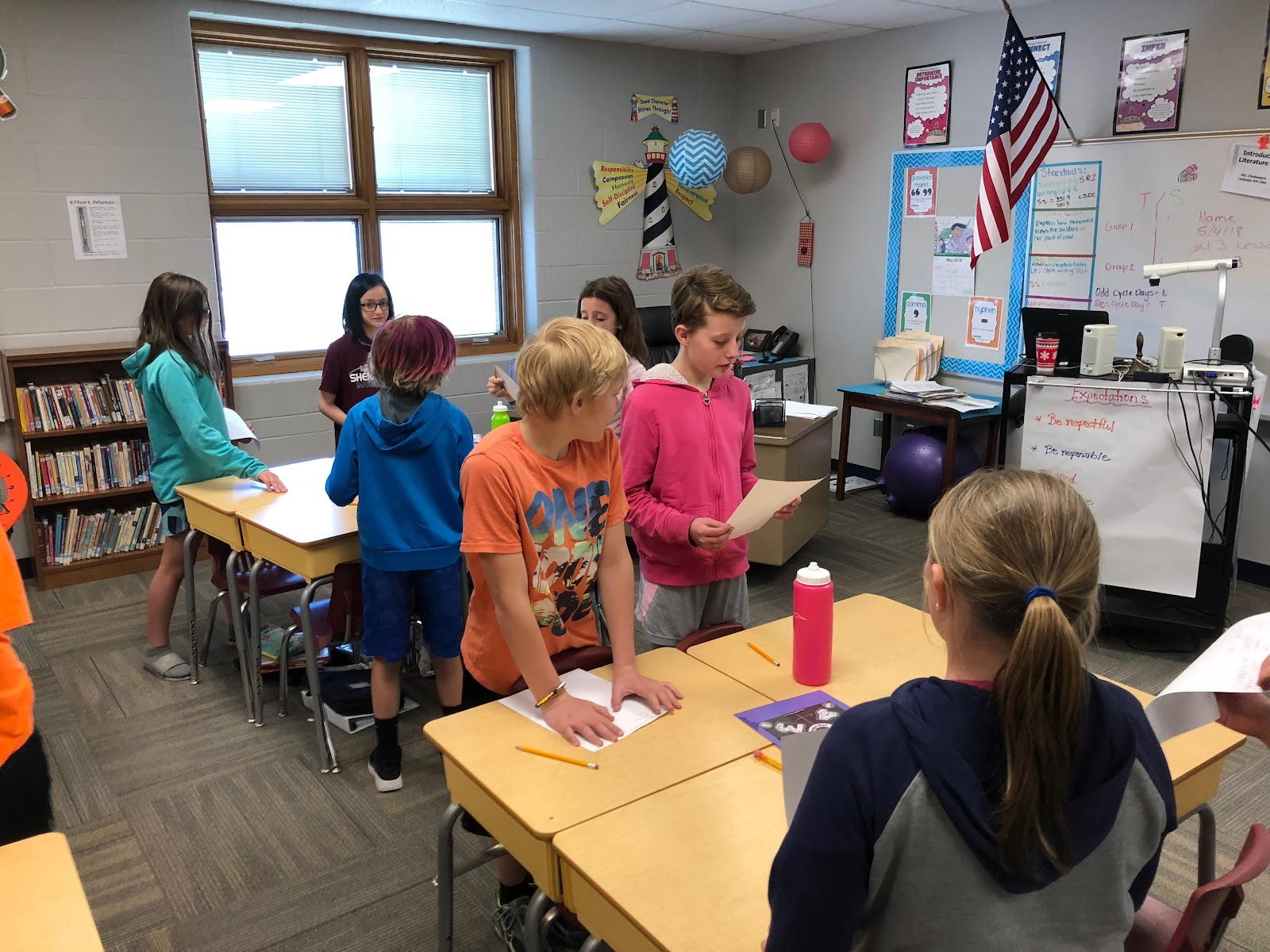
Left: Colorful Crayon Creations has this Kagan structure mat free.  

Right: Students pictured here are working in Kagan Groups. 

Their roles correspond with their numbers.


Kagan Mat Free! Click here!


3.Cognition Challenges:  As a teacher who is charged with the teaching of students with unique learning needs, Kagan can seem daunting.  It is skill upon skill that needs to be taught before groups even come close to true cooperative learning.  For this I have found that starting with simple social skills activities paired with specific structures and visuals create better successes. Think about some of our SEL lessons where we practice celebrating and sharing as individuals.  A simple practice of “Find Someone Who…” is a fun way to practice communication skills (click the link below for the resource from True Little Teacher on TPT).  I would initially have students practice this while seated with a “Face Partner,” but would work towards having students walk and find a friend within a specified area of the classroom (painters tape on the floor is fantastic for setting visual boundaries).
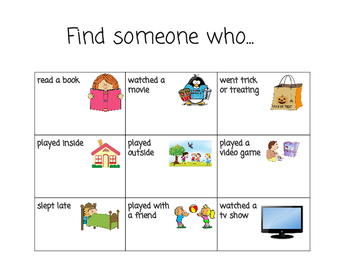
Someone Who Kagan Resource for Unique Learners


Other additional resources for Kagan really have to do with setting expectations and teaching the specific structures.  What does expected cooperative learning look like?  While Kagan uses structures and processes to facilitate learning, it prefers the flexibility of original thought. Afterall, it is the purpose is critical thinking.  However, for learners with higher levels of challenge, processes and expectations need to be specifically outlined for them. To facilitate this I have created a special resource.

Click Here for Adapted Kagan Strategies, Free!!


Being on the look out for what is working (or not) and why is second nature to educators. Simple adjustments will ensure the positive impact of both social and academic learning with Kagan. Until next time, wishing you lots of cooperative learning joy!!


Like what you read? Join me in upcoming blog posts where I continue to put these strategies into place and share resources!


Kagan, S., & Kagan, M. (2015) Kagan Cooperative Learning. Kagan Publishing.

Wednesday, November 4, 2020

Zoom Breakout Rooms for Collaboration

I personally feel like the ONE worst aspect of online learning is that the kids are missing the social interaction and collaborative learning structures they so desperately need.  As we know, students learn the best when they are working collaboratively in highly structured groups.  This has been especially hard for me as a teacher, because I live and breath Kagan cooperative learning structures in my classroom on a daily basis and have truly seen the growth in my students both academically and socially over the years that I have implemented Kagan into my classroom.


So today I'm going to talk about Breakout Rooms on Zoom! It doesn't fully replace in person collaboration of course, but it's a really good option to support our kiddos talk time, during this period of online learning. Let's get started!

How to Train Your Students on Breakout Rooms

Well just like with live in-classroom instruction, you can't just throw kids into groups and expect them to work together successfully.  You want start with some fun, non-academic teaam building activites that they can do in their groups to get to know each other.  This is important for helping them build relationships with one another so that they will feel comfortable talking and sharing with each other.  I would suggest starting small and having them work with pairs for a while before moving into largers groups. Also modeling how to discuss with a partner and providing them with response frames/stems will help them verbalize their thoughts into words.

Next, you want to set clear expections so they know what is expected of them.  I display this slide every day before our first breakout room of the day (they need lots of reminders.. lol)

Most importantly, once you send them to their Breakout Rooms, you want to pop in and out of as many rooms as possible and help reinforce those breakout room expectations.  Once they know you'll always be popping in to check on them, they are much more likely to do what they are supposed to do! This is also a great way for you to observe your students and evaluate their strenths and weaknesses.

Tips and Tricks!
So now how do you go about setting up these Breakout Rooms?? 


So once youre logged into your Zoom meeting with your class, you want to click the  breakout room button on the bottom of your Zoom toolbar (be sure you have enabled this option in your Zoom settings).  Now, you can select to create the groups automatically or manually. If you want them in pairs and you have 28 students, you will select to create 14 groups.  If you want them in groups of 4 you would select to make 7 groups. 

As it sounds, "automatically" means it will randomly group the students together, whereas "manually" allows you to group them as you'd like. I would suggest selecting manually and creating your groups intentinally and specificially.  However, there is often a time and place for the automatic option as well.  Once my kids are all logged onto Zoom in the morning, while they are working on iReady, discussing the morning circle topic, or another independent task, I quickly create those breakout rooms manually and then they are set for the day! As kids join or leave the meeting, you can choose to swap or move kids to other rooms, rearranging as you see fit!

Under the "Options" dropdown, when you select the time for the Breakout Room, I would aim to keep it around 5-8 minutes or so, just having them discuss one or just a couple of questions.  As mentioned before, always making sure you are popping in and out of the Breakout Rooms to support, and reinforce your rules.  You can also adjust the amount of time you want them to have once the timer is up.  I usually set mine for 15 seconds so that we don't have to wait for kiddos to be dumped back into the main room.  I do however "broadcast" a message warning them how much time they have left. 

You can end the breakout rooms at any time as well, you just click the red button that says "close all rooms." You do not have to wait until the timer is up.  Likewise when the timer is up for the Breakout Rooms, a notification will pop up asking you if you want to end them or keep them open.  So they don't have to automatically end just becasue the time is up.  You have control over that. Aditionally, if there are kids who you dont want to put in a breakout room, you just simply don't assign them to a room and they will then remain in the main room with you.
I hold the kids accountable by letting them know I'll use the random selector to have them share out after they've had the time to discuss the question in their breakout rooms.  Also, usually whatever they are working on with their partner/group in the breakout room is something they are also typing and submitting to me in some form or another.  This ensures that I can monitor they are all working and participating.


If the students have a question while in their Breakout Room, they have the option to click "ask for help."  This picture to the left shows you what it looks from from the students view of the Breakout Room.  


You will then get a notification that looks like this image below here.        


So these are the basics to help you get started setting up Zoom Breakout Rooms with your students.  I truly feel that students need this interaction with one another for so many different reasons.  They really need the social interaction with each other.  Our English Learners as well as ALL learners need to get their "talk time" in throughout the day.  Research has also proven that kids learn better when they are working collaboratively with their peers.  The Breakout Rooms option in Zoom really does provide us with that missing piece of social interaction and collaboration that these kids are so vitally missing with online instruction! I hope this helps!

Virtually Learning,

Saturday, February 22, 2020

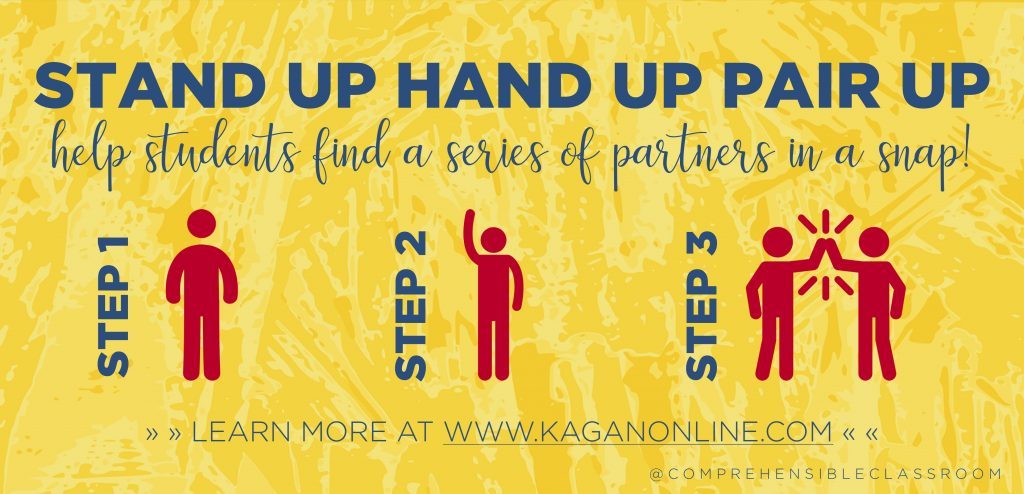
Stand-Up Hand-up Pair-Up Kagan Structure


Image result for stand up handup pair upWe all have those days where the kids just seem unmotivated, bored, and disengaged, which makes our job as teachers much more difficult. Kagan provides many many cooperative learning structures to prevent the above mentioned from happening.  Research shows that when students are engaged, they are learning.  If they're not engaged, then quite simply put, they're not learning.    


One super simple, super fun engagement/cooperative learning strategy that Kagan provides is called, "stand-up hand-up pair-up."  It's such a fun and easy way to get kids up and moving and its a structure that you can start implementing tomorrow!


Image result for stand up handup pair up


1) Pose a question.  Whether it be a math problem, or a reading comprehension question, or inquiry question leading into your science lesson. It' best to have the question displayed if possible.  If not, I will repeat it multiple times.

2) Then you play some sort of music to signify its time to move.  I use this timer countdown with music on YouTube: countdown timer, (you can click that link or just google it and there are SEVERAL other options).  I tell them to stand behind their chairs and take their whiteboard/marker, their book, or paper pencil (whatever materials they may need to answer the question).  Depending on the question, no materials may be needed at all.

3) When I pause the music, the kids freeze and immediately raise their hand in the air.  They then have to partner with the person NEAREST to them and form a "partner pyramid" with their hands (this is just where they basically high five each other but hold it there in the air).

4) Any hands still raised in the air (means they don't have a partner) can look around for another hand in the air who doesn't have a partner, and thus they can easily find each other and partner up.

5) I will then delegate which partner shares first (either through use of the Kagan software "who's up?") or I'll just say something simple like "the partner whose birthday is up next shares first."  

6) You can be done after the kids share, OR you can have the kids mix a few more times so that they get to share their answers with multiple partners.  This is usually what I have them do.  The more partners they share with, the more opportunities they have to practice speaking, in addition to hearing more diverse ideas from their peers.

Not only is this a SUPER quick, and efficient collaborative learning structure, this is also REALLY great support for your English Learners.  This not only provides talk time, but you're also supporting them by giving them think time (time to process), time to verbalize their thoughts, and hear thoughts from their peers.  This is why it's best to display the question and/or sentence frames when applicable to further support your English Learner students. 

Furthermore, it gets the kids up and moving which then ensures that they're thinking and learning. It's easy, it's fun, and it supports ALL learners at ALL levels in your classroom! 

Collaboratively Learning,

Megan Brown


Copy of pic- Megan Brown.jpg

Thursday, January 16, 2020

Building Background knowledge with Kagan


Building background knowledge is something we often skip over or forget about due to pacing and time constraints.  Often we want to just dive right into that days learning.  However, in an effort to both provide engagement on the new topic being learned, while also providing support for your English learners, it really is an important, yet simple step that we should take.

If you're looking for a cooperative learning structure to help you support building background knowledge when introducing a new topic, there are several Kagan structures you can use.  I am going to talk about just a couple of them here.  Like with all Kagan cooperative learning structures, these support learners at all academic levels, while also providing engagement, which research shows is key to student learning and success.


Three Step Interview
Image result for kagan three step interviewThis structure is super easy and fun to use during Day 1 of the ELA Wonders curriculum when you introduce the new Essential Question for that week. In our Wonders curriculum, on Day 1 of each week it has us "Introduce the concept."  This is  where you could easily take the essential question/concept and turn it into a question the students can relate to, and then implement this Three-Step Interview process.

 For instance, in Wonders 5th Grade Unit 3 Week 4 the Essential Question is, "What benefits come from people working as a group?"  You might then pose the question to the students, "Tell about a time where you succeeded at something when working together in a group."  You would pose the question, and either give students time to think, or have them quickly write their thoughts down.  Then proceed with the Three-Step interview process.  To summarize, Partner A would ask partner B the question and then visa versa.  They would then pair up with the other A/B pair at their table and go around the table sharing not their own thoughts, but rather their partners thoughts.  A very quick and easy way to get students engaged, talking, and sharing in groups!


Jot Thoughts

Image result for kagan jot thoughtsJot Thoughts is another fun Kagan structure than can be implemented in the beginning stages of building background knowledge of a topic or concept. Jot thoughts is a fun and  engaging way to have students brainstorm ideas about a topic.  For instance, in Wonders on Day 1 where you would introduce the topic, you always see the word web with a word (based on the essential question) in the middle.  It asks students to brainstorm words they know about that topic.  So in place of this, I will often use this Jot thoughts structure.  If we take the above mentioned essential question, the word provided in the word web for that week is "teamwork." So I will set a couple of decks of sticky notes on each table group and then ask them write down as many words, phrases, or ideas that come to mind when they think of "teamwork."  They are supposed to announce the word they're writing as they write it to prevent duplicate words.  You can then extend this Jot Thoughts activity into many other things.  For instance, once time is up, I will often times have the students work in their teams to categorize their words and develop names for the categories.  I then might ask them to do a free write about teamwork using as many of the word they can, etc.  It's fun, engaging, and gets students ready to learn more about the new concept that week.  Its also another opportunity to provide students with collaborative talk time, which supports ALL learners at ALL levels.

Additionally, this structure could also be used as a culminating activity at the end of the learning, to summarize what was learned about the topic!

Collaboratively Learning,
Megan Brown

Tuesday, December 10, 2019

Collaborative Conversations with Kagan

Collaborative conversations when done though the proper cooperative learning structures (aka Kagan), can be soooo incredibly powerful for student learning! Powerful AND engaging! My students absolutely love doing collaborative discussions. And you may be thinking, "How is this effective? How is letting the kids talk in groups not a waste of time?" Well I'm gonna show you just how effective it is!

To start, you want to make sure you've constructed appropriate collaborative learning groups.  Meaning you want to have an even mix of High, Low, Medium, GATE, EL, EO students, etc.  This keeps the groups well balanced and supports differentiation of instruction for students at all levels.  They are all able to contribute and learn at their own level, while accessing the same content classroom wide.  This is very important to maximize learning. (To learn more about Cooperative Learning structures, see my previous blog posts here: Cooperative Learning Structures  and also here: More on Cooperative Learning Structures/Kagan)

Once you've  created these evenly balanced groups, you want facilitate team building activities.  These are non-academic activities that help students to get to know each other, and to understand the importance of working together as a team, establishing each of their strength's etc.  These activities could be something like building something, creating something, building words out of letters, etc.  This piece is extremely important to help foster student's sense of belonging, and comfort-ability working with each other.  If you skip this essential step, you will probably not get full participation from ALL of your students within their table groups. (see my previous blog for more info in Team Building here: Team Building with Kagan)

Now you're ready to start collaborative, higher level academic discussions! I also teach the students "accountable talk" sentence frames, so that they know how to have a discussion.  Often times I use the Essential Question from the Wonders ELA curriculum that week as the focus point of the discussion, as well as the reading comprehension skills taught that week.  Or, I have students annotate the text before the discussion and have them use their annotations to guide their discussions.  Often times, I will incorporate all of the above into one lesson/discussion.  I also use the Kagan Software with the random selector tools, to choose students at random to share out after each discussion any random selector software, or even just equity sticks will work!).  The students are taught that they can share their idea or one discussed at their table.  I find that my students are VERY  excited to share their peers' ideas just as much as they are their own.  Through establishing these cooperative learning groups and academic talk, my students are VERY VERY good at complimenting each other, giving each other positive feedback, helping out their peers when in need.  Its really endearing and super cute to watch them.

I  have seen my students year after year, make huge gains and growth in their reading comprehension skills as well as test scores.  Structuring these academic discussions in the correct manner helps facilitate students reading, writing, and research skills, in addition to helping strengthen their speaking and listening skills.  These types of discussions also help students develop a strong understanding of being able to site the text in order to support an original thought or idea of their own.  I encourage you to start using these collaborative discussions in your classroom right away! 

Collaboratively Learning,
Megan Brown
Copy of pic- Megan Brown.jpg

Thursday, September 27, 2018

Cooperative Beginnings!

Cooperative Beginnings!

Using Cooperative Learning structures truly is essential for student learning, when implemented correctly.  The power behind watching students learn, think, and grow from their peers is indescribably rewarding.  I often get asked when people visit my classroom “How do you get your students to this higher level of thinking/discussing?” It’s not easy and it DEFINITELY doesn’t happen overnight.  But today I’d like to share with you some tips, ideas, and structures that will help you get your kiddos there too! 

Why do we need cooperative learning? 
“Students taught with cooperative learning have a more enjoyable learning experience and are more motivated to continue learning beyond school, especially from and with others.” -Dr. Kagan

“Scores of empirical research studies demonstrate cooperative learning enhances the quality of reasoning, the developmental level of thinking, meta-cognition, quality of problem solving, creativity, and social perspective taking.”

I have personally seen my students already making leaps in collaborative conversations in just the 7 weeks we’ve been in school.  Their conversations are starting to become more organic, many of them are starting to not need to use the Accountable Talk Cards anymore.  Collaborative conversations is one of those “go slow to go fast” ideas.  We spend a lot of time on the baby steps the first few weeks of school from Teambuilding, to small partner share structures, leading into team structures, and then successfully having academic collaborative conversations.  I have already seen an improvement in many of my students' confidence levels.  They feel comfortable talking and sharing in their groups, as well as asking for help when they need it.  I am also starting to see my students naturally working collaboratively on their own even when I haven’t instructed them to do so.   I hear them giving their peers positive specific praise even when not directed to! It’s super cute! We still have a ways to go to get to that higher level of collaborative thinking but these kids are off to a great start! If this is something you’ve been thinking about doing more of in your classroom, I HIGHLY encourage you to start today!

“Teachers using cooperative learning find teaching less stressful and and find renewed desire and energy to teach.  Many report they were facing burnout until they discovered cooperative learning and now look forward to, and take joy in, teaching.”

This is the process I go through when starting off the year, to start building successful collaborative conversations:

1.  Teambuilding: Teaching students to work in harmony with one another to complete a task.  This is a very important step!(see my last blog)

2.  Accountable Talk: I give the students and also display “Accountable Talk” frames, and MODEL, MODEL, MODEL, how to use them in conversations, as well as positive praise!

3.  Kagan Partner Structures: In addition to Teambuilding, it’s important to introduce partner structures right away.  I start with Rally Robin, Rally- Coach, and A/B partners to get students used to working with a partner on academic tasks.  Once this is being done successfully, I move into structured Collaborative Conversations with groups.

4. Kagan Group Structures: Once students have learned how to work collaboratively with a partner, giving positive feedback, working together cooperatively, etc, then I move into team structures.  I start with Kagan structures such as: Talking Chips, Round Robin, All-Write-Round-Robin, Numbered Heads Together, and RallyTable, just to name a few.  Implementing structures like these frequently and consistently really reinforces students working together to accomplish a common goal.

5.  Start Small with Conversations: In the beginning, I will simply display the weekly Essential Questions from Wonders and have students use their notes and cite text evidence to answer/discuss that question within their table groups.  Once they get the hang of this process and how a conversation works, I will move onto more complex tasks, such as Philosophical Chairs and Socratic Seminar (these both involve higher level thinking and discussion skills). 

6. High Level Conversations: I will start to have students analyze and synthesize across multiple texts in order to develop their own original stance, thoughts, or opinions using text evidence to support their ideas.  They learn to build on the ideas of their peers.   These types of discussions generally lead to culminating writing activities such as a RACES constructed response or essay following the discussion.  These types of discussions really prepare students to be successful with their writing, citing text evident, and just communication and social skills in general.


Collaboratively Learning,
Megan Brown
Copy of pic- Megan Brown.jpg

Most Viewed Posts