Let’s Warm Up to Writing
| |||||
“Ok boys and girls, it’s time for writing!” the teacher exclaims. Suddenly, many sighs are heard across the room.
Have you ever had this experience before? I know I have. However, I have found a very simple solution that may help you too. They’re called writing warm-ups!
|  | ||||
“Fluency is the ability to generate text —a lot of it— in a short period of time.” --Aimee Buckner
Do you want to help build writing fluency for your students?
| |||||
As with any other skill, writing takes practice. Students need to write EVERYDAY to build their writing fluency. Although it may be frustrating as a teacher to see your students struggle in writing, it’s okay! Just remember, the more opportunities you provide for students to write, the better writers they will become!
| |||||
“Write, write, and write some more. Think of writing as a muscle that needs a lot of exercise.” Jane YolenWatch the video below to see a 2nd grade student in action during writing warm up time. The topic is, “How do friends help one another?” Writing in Action! | |||||
Benefits of Writing Warm-Ups | |||||
Unlike a formal piece of writing that you may be teaching, whether it be a personal narrative, opinion, or expository writing piece, a writing warm-up is a way for students to get their “brain juices” flowing BEFORE they continue on their formal writing assignment. It is also a great way for your students to get excited about writing, especially if you pick a warm-up topic that is of interest to them. Think of a writing warm-up as a time for your students to build their writing fluency. At the same time, you can glance at student’s writing and quickly address a wide variety of skills without students feeling that you are judging and/or grading what they wrote. For example, did students begin their warm-up with a capital letter? Are they using correct punctuation? Are students on topic? Etc.
How can you prepare yourself and your students for writing warm-ups? Have a journal for them! This is a huge motivator for my students. Be prepared and have a topic of interest ready to go. Once you have stated the topic, TALK! Talking is crucial even for a writing warm-up. Assuming the topic is, “Write about a time you helped a friend…” discuss ways in which students have helped a friend. Make a bubble map so that students see you writing down their ideas. They love to see their ideas up on the board! Once you feel you have talked enough and they are ready, have them draw a QUICK picture. This one-minute quick draw is a favorite for students. It works as a great visual for them too! Allow about 2-3 minutes for students to write. A great way to time students (and get them excited) during this warm-up time is by playing some relaxing music while they write. Once time is up, have students count the number of words they wrote. They should note that number next to their writing. Teach students to set goals for themselves. For example, if today they wrote 25 words, then tell them that tomorrow you want to see them write 25 or more. Reward students who pass their goal. Stickers work wonders! This daily, quick routine will help students to build their writing fluency.
I look forward to hearing how this strategy worked for you in your class!
Inspiring Minds,
Melissa Hernandez
|  | ||||
Wednesday, September 20, 2017
Let's Warm Up to Writing
Monday, September 18, 2017
Take a Deep Breath, and Release Your Students to...Struggle
Take a Deep Breath,
and Release Your Students to...Struggle | |||||
Have you ever been in the middle of a lesson and felt like you’ve been talking too much? You think, “I need to let them try it on their own,” but you know they’re not quite ready. Do you release your students and let them struggle and possibly fail, or do you keep talking and review some more examples?
| 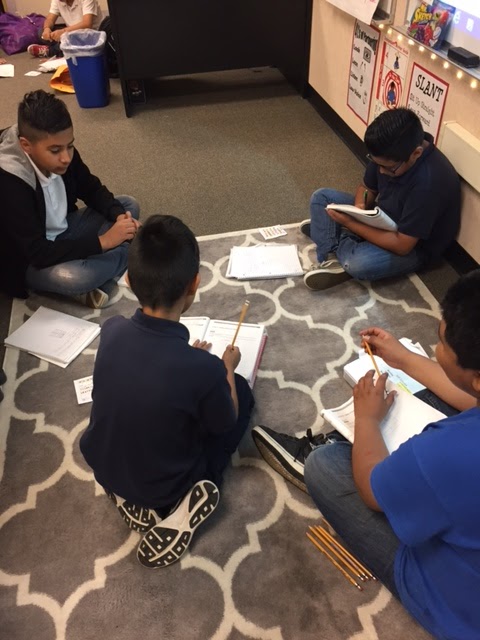 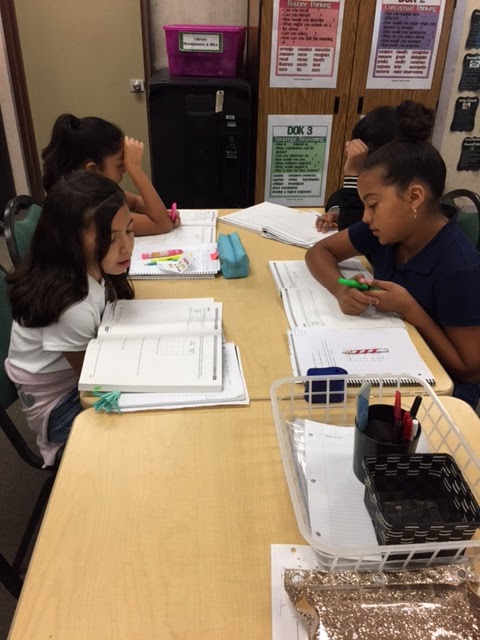 | ||||
By now you might be thinking, “Why would I release my students only to let them fail?” Well, failure or productive struggle can lead to progress and perseverance! It also doesn’t mean that you’ve completely let go of all control as their teacher. It simply means that it’s time to take a step back and watch what your students can do. It also means that you’re still the facilitator and available to pose questions when you see your students making mistakes. Sometimes you may even have to stop your kids and bring them back together for a helpful hint or to correct a misconception you see occurring. This is perfectly okay!
| |||||
I admit it; I often have a hard time letting my students explore their own learning. I worry about the additional time it will take to allow my students to work in groups and learn to get along. I get stressed over the fact that I don’t want to fall further and further behind with the pacing guide. My anxiety kicks in when I see my small groups still struggling with the same problem, when I expected them to be on the next problem according to the time on my agenda (am I the only one who has all these amazing plans on my agenda and only get about halfway there?). Like I’ve said--I’ve been there, and it’s not easy to release your students, but I also know it’s necessary and part of the Standards for Mathematical Practice (SMP’s). My students need to make sense of problems and persevere in solving them (along with seven other SMP’s). If I’m the one doing all the talking, do I really know what my students know?
| |||||
I know how difficult it is to turn over the power, but you’ve got it in you to achieve awesome things and to take risks! Together, we can use different cooperative learning structures to ease our way into group and partner work. Here are some ideas on how I started this process with my 6th graders: | |||||
Once I set my mind to allow more time for group and partner work, I decided to make a list of as many different engagement strategies as I could. You can find that list here: Strategy List. As I studied my Eureka lesson, I chose a structure or two from my list that I believed would fit in well with the setup or content of that lesson. Once I used a particular strategy, I highlighted it on my list and added the number of times it’s been used.
For example, when my kids were first introduced to ratio tables, I knew this would be something new but also something some could figure out without much prior knowledge. I decided to use the Kagan structure “Circle the Sage”. Circle the Sage is great because it gives those students who love to share the opportunity to become the teacher of a small group. Now you have a handful of “teachers” spread out around your room teaching small groups of students. Your students are now learning from others and answering the Eureka question at the same time. Kind of a win-win, don’t you think?
Here’s exactly what I did, step by step Circle the Sage Directions.
Lately, I’ve been creating small groups ahead of time. I make sure that each group is of mixed ability and purposefully assign someone to each group who is well-versed in the content, but I don’t make this known to students. From here, I give groups the choice of either using RoundRobin or Talking Chips to work through some of the problems. I will be honest--it was a bit rough at first. Students were taking too long to get started and were even butting heads. However, now that we’ve been trying this for a few weeks, they’re getting better and better at working in groups and assisting each other. We still have a long way to go, but it goes to show that it’s possible! Moreover, the kids enjoy becoming more independent, and you don’t have to come home so exhausted! Join me next month when I talk about math rotations and daily morning warm-up themes!
 Educating together, Educating together,
Kim Smith
| |||||
Friday, September 15, 2017
Making Connections with Science!
Making Connections with Science!
| |||||
We are at an exciting time in education. Many teachers are starting to transition to using NGSS in their classrooms. If you're not familiar with the Next Generation Science Standards, or you aren't really sure where to begin then keep reading to find out more.
|  | ||||
The standards are divided into three dimensions; practices, crosscutting concepts, and disciplinary core ideas.
This year I will be using the crosscutting concepts as a way to embed science in all content areas. Why did I decide to start with the crosscutting concepts? These concepts link science domains together as well as link to other content areas. You can get more bang for your buck here. If you're like me then your instructional time is valuable. Connecting science concepts to what you are already teaching saves time!
| |||||
Learn more about the seven crosscutting Concepts here.
| |||||
Somewhere, something incredible is waiting to be known. - Carl Sagan | |||||
Students are ready to learn. It is my mission use help students make connections and increase their curiosity. | |||||
Each month, I will share with you a STEAM activity that I have tried in my classroom. I will give you tips and strategies to help you get started. Next month, I will look at the Crosscutting Concept, cause and effect, in relationship to natural disasters. My students are currently working on creating models of homes built to withstand earthquakes! I hope you will check back soon to learn more.
Let’s connect,
Alina
|  | ||||
Thursday, September 14, 2017
Brain Waves
Brain Waves
| ||||||
I love telling people that I was born in the 1900’s.Things were different in “my day.” One of the biggest differences between “modern times” and “the old days” (e.g. the 1980’s) is that there have been great strides made in the study of the human brain. Research has debunked a number of facts that scientists, as well as society as a whole, accepted as true.
As educators, we owe it to our students to embrace the most cutting-edge information available. Enhancing our understanding of how the brain operates will certainly influence our instructional decisions, which in turn will impact how we go about the business of planning and delivering instruction.
|  | |||||
I’ve decided that this year I’m going to embark on a journey and I’m inviting you to come with me. No, I’m not packing my bags. I’m not boarding an airplane. I don’t even have to write sub plans. So join me as I delve into the area of brain research and its impact on the decisions I make in my classroom. I am going to scour credible sites, texts, and videos to uncover these golden nuggets of truth.
| ||||||
It’s going to be messy. Learning always is.
It’s going to be frustrating. Learning always is. It’s going to be work. Learning always is.
| ||||||
“The capacity to learn is a gift; the ability to learn is a skill; the willingness to learn is a choice.” -Brian Herbert | ||||||
| ||||||
All Aboard,
Lola E. Jollie
| ||||||

Wednesday, September 13, 2017
Let's Talk About Math
Let’s Talk About MATH!
| |||||
Eureka, we’ve found it! How do we take our adopted materials and make them more engaging? How do we find out what kids really know about math? How do I teach math when I don’t really like it? Keep reading!
|  | ||||
Like crayons in a box, we are all a little different. As teachers, we all bring different strengths and passions to the table. Me? I’m SUPER passionate about math and the teaching of math. It’s my absolute favorite subject to teach during the school day. Confession: I LOVE fractions, I’m not going to lie!
| |||||
Some of you just read that, and now we’re going to be math BFF’s. Or, just maybe you and I are on opposite sides of the fraction-love spectrum, because you think I may be nuts. Perhaps the mere thought of teaching math terrifies you and makes your palms sweat. In any case, I like you, I love that you’re here, and I’m itching to help.
| |||||
I love this video so much. I think we can all relate to having one (or more) of “these” moments in our teaching, am I right? https://www.youtube.com/watch?v=KdxEAt91D7k | |||||
Each month, my goal is to provide practical tips and strategies to enhance how students engage with math, increase student understanding of the content, to plan more efficiently in order to teach more effectively, and/or other ideas like collaboration and writing, but with a math spin on it. | |||||
I am super excited about taking this journey through math instruction this year, and I hope you decide to join me! Next month, let’s talk about “Math Talk.” In other words, how do we get the students talking about what they’re doing in math? Stay tuned, and check back in a few weeks to find out! Interested in what you hear on this blog? Come in for a Spotlight Visit! I’d love to meet you.
 Mathematically yours, Mathematically yours,
Sabrina Blake
| |||||
Tuesday, September 12, 2017
Student Learning Through Projects
Student Learning Through Projects
| |||||
“My favorite part about doing this project was that while doing math I also got to learn more about the universe…”
“My favorite part was working with someone and asking them something if I ever got stuck.”
“It helped me to speak louder and look at the audience.”
“Doing the math was slightly hard mostly because of the real life situations and creating them.”
| 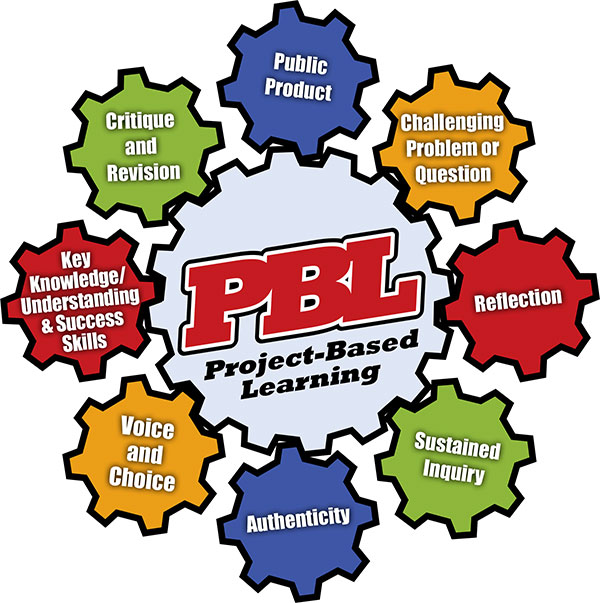 | ||||
Project Based Learning (PBL) is a method of learning where students acquire knowledge through real-life challenges and inquiry based learning. A PBL project encompasses all 8 essential components that you see above to drive student learning.
As I go through this year I will share resources that I use in my classroom, projects I use with my students, and other valuable resources that I tried in my classroom. I will share what I believed was successful, the mistakes I made, and changes I would make for the future. You will learn that every project is not perfect as I try and make real life connections with my students.
You will find a link each month to the project that we are working on along with sample products from our previous unit’s project. The projects are embedded into a shared folder in Google Drive.
Each month I will focus on one of these essential elements - explaining what it means, how I struggle with it, and how I am using the key element in the current project.
| |||||
I can remember just a few years ago where I was exclusively using direct instruction, thought of my subject area as independent of others, and struggled to make real life connections with my students.
Now, I have students working in groups, I find myself constantly having conversations with other teachers on campus, and I have students making connections to the real world and other subject areas.
What has changed? - I am teaching the state standards while using the Eureka base program through Project Based Learning! I find the students more engaged and I they are asking questions that are relevant to them as they solve the challenging problem.
It was such a struggle the first couple years with PBL. I did not know how I was going to create projects that had the state standards embedded in them. How was I going to know for sure that the students were learning the necessary mathematics to do well on the CAASPP? I stumbled through projects the first couple years wondering what the heck I was doing. And I wondered, “How am I going to get all level of students in my class, from SPED to GATE, to be successful in answering the project’s challenging problem as well as meeting the expectations for CAASPP?”
But, the thrill of teaching has never been higher for me - I am constantly asking what project can I create collaboratively with my colleagues to make an impact on my students. Last year it was the “Pokemon Go” project to teach system of equations - this year we used the historic solar eclipse to kick off our “Journey to Space” project for scientific notation. I am excited to be teaching new projects and how each period I teach is different from to the next.
| |||||
“For so many students, it’s difficult to make a real-life connection between math and their everyday lives.” – Janet Pinto | |||||
Think about your coming units of study, what the major standards that need to be taught in those units are, and ask yourself, “How can I create a unit project that will allow students to make a connection between your subject and their lives?”
Here are the first projects for the year: Math 7 - “All Things Rational” and Math 8 - “Journey to Space”
Next month, I will share the projects “What is in my bag?” and “#MathinmyLIFE”.
| |||||
Be willing to take a chance by connecting learning to the real world for your students and do it with your own style.
Still learning and loving it,
Kevin
|  | ||||
Click here to schedule a visit
 |  | ||||
Monday, September 11, 2017
New Beginnings with Cooperative Grouping!
New Beginnings with Cooperative Grouping!
| |||||
Cooperative grouping, engagement, and learning through collaborative conversations are SUCH powerful and essential ways to teach kids to love learning! I have learned throughout the years that not only are these strategies beneficial for your students, they actually make your job as a teacher soooooo much easier(yes really!), and rewarding in the long run. The amount of time it takes in the beginning of the year to teach the students these structures and routines will DEFINITELY pay off in the end, for both you the teacher, and your students!
| 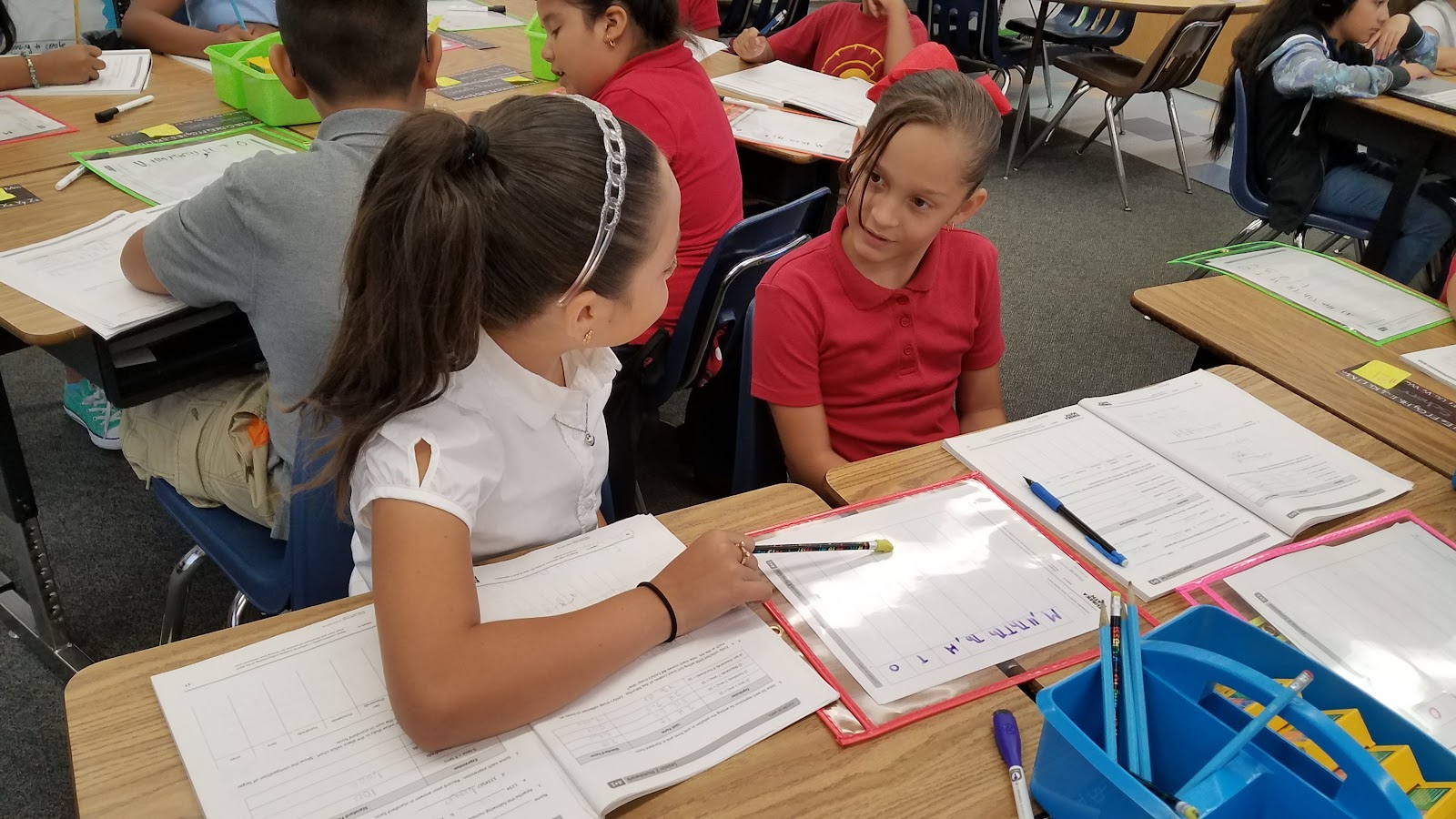 Students using the Kagan “Rally-Coach” strategy Students using the Kagan “Rally-Coach” strategy
This is where you assign a partnership a set of problems/questions/activities and they take turns watching and listening to their partner solve/answer (or coach) a problem.
First partner A solves and coaches, while partner B listens and praises them when done. Next partner B solves and coaches while partner A listens/watches, and praises them when done. This strategy ensure student success as they are teaching and learning from each other. | ||||
Throughout this blog, you will gain insight on what collaborative conversations and cooperative grouping structures look like, sound like, and the power of learning that is behind them! I will explain my process along way so that you too can implement these structures with your own students, and then sit back and watch them learn, grow and be successful!!
| |||||
There’s nothing more disheartening than standing in front of the class, teaching your heart out, and then having the kids stare at you like little deer in the headlights when you ask them to answer a simple question about what they just “learned,” and they can’t. Any time this happens it is a HUGE indication to me as a teacher that the students are completely disengaged, and that I need to change gears and involve them in a cooperative learning strategy. Engagement is KEY to student learning. If students are not engaged, they have most likely checked out, which means they are not learning :-(. Using a multitude of Kagan strategies (aka cooperative grouping strategies) is one of the best ways to keep students engaged and actively participating the lesson and their learning.
| |||||
“Individual commitment to a group effort- that is what makes a team work, a company work, a society work, a civilization work.” -Vince Lombardi | |||||
Collaborative conversations via the use of highly engaging cooperative learning structures is CRUCIAL for student success, and also for students to be held accountable for their OWN learning as well as contributing to the learning of their peers around them! | |||||
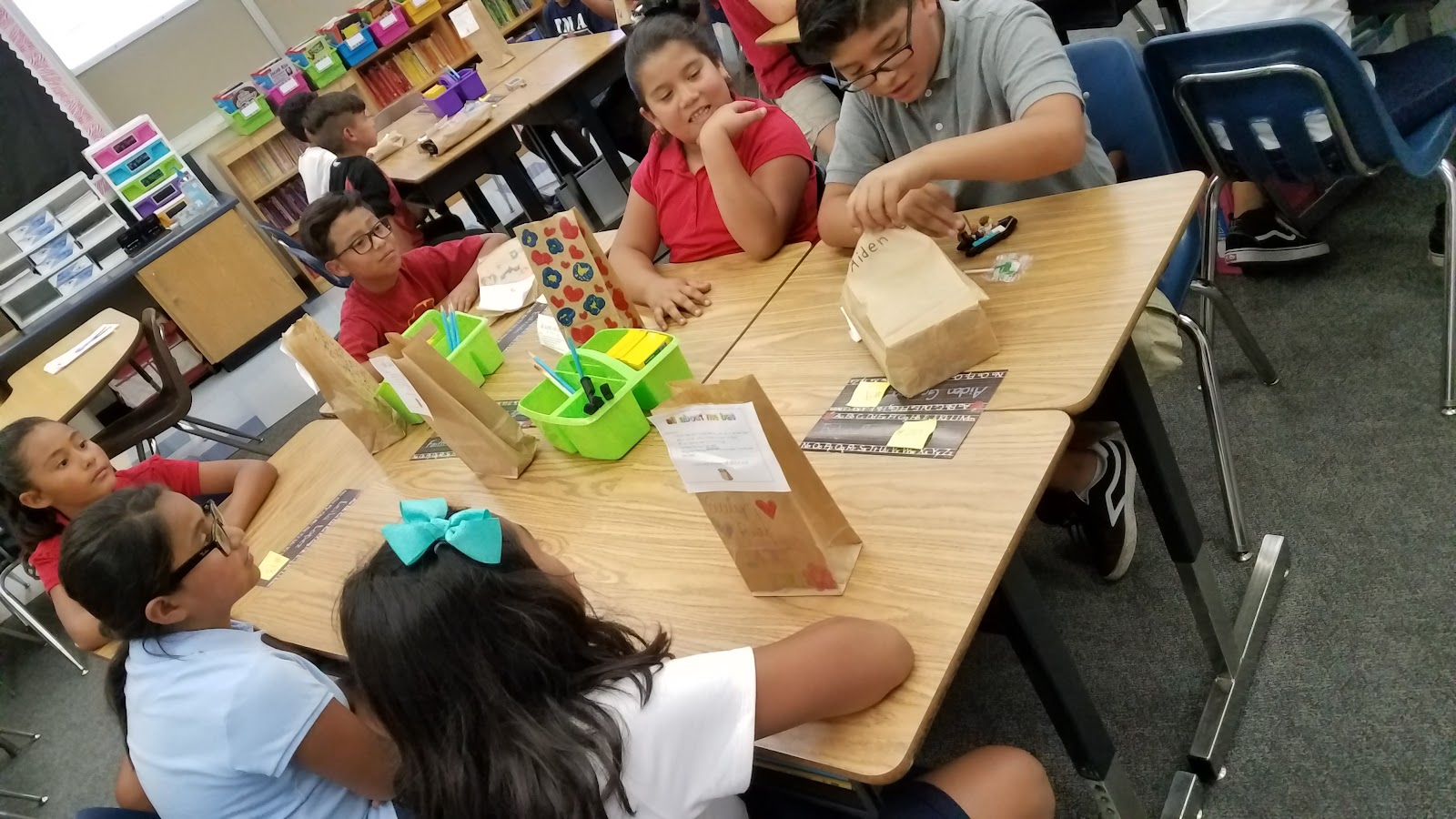
Not only does keeping them engaged help them to learn, working collaboratively with their peers and discussing ideas really gets their little brains working, thinking, and growing! You want to start small. You cannot expect students to walk in and just be able to work together in a meaningful and useful way. At the start of the year you have to put procedures in place that help students get to know each other and feel comfortable with one another. For example, the first week of school I had them create “me” bags at home, containing items that they felt described who they are. I put them into groups and had them take turns going around in their group showing/talking about their items.This helps to build a safe environment where students feel comfortable speaking and listening to each other, and we all get to learn a bit about each other. I put a variety of response frames on the board, and each student in the group had to either comment or ask a question to the person presenting. This is the first step into “training” them to be active participants in a group conversation. Afterwards, I allowed students to share out with the class about something they had learned about someone at their table, and one little boy says, “I learned that Joshua’s favorite color is red, and I’ve been in his class the last 2 years and never knew that!” This activity is a great way to begin teaching the kids how to be an active participant in a group, how to converse in a respectable manner, and most importantly it builds their self-esteem and confidence when speaking with their peers.
 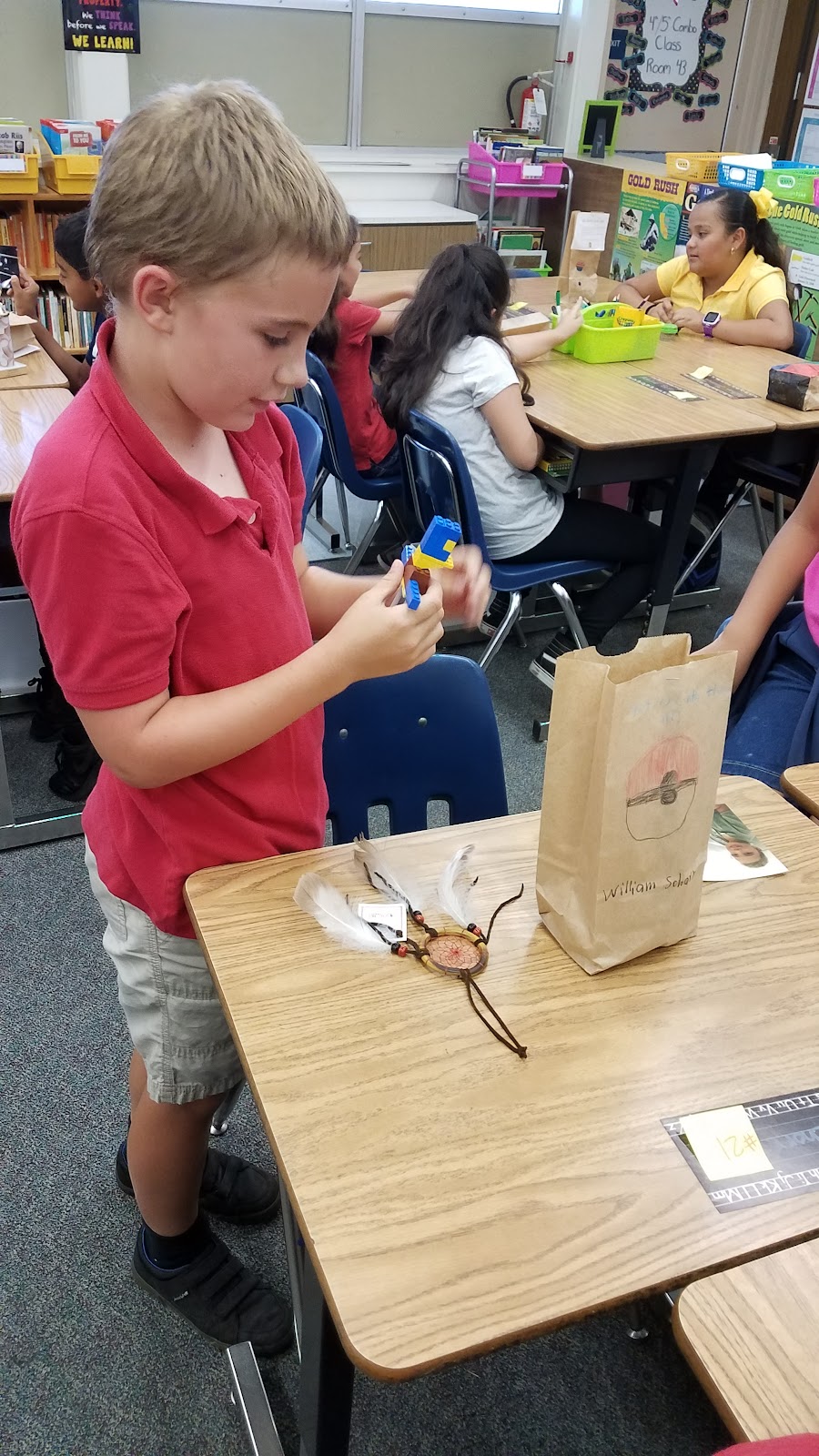 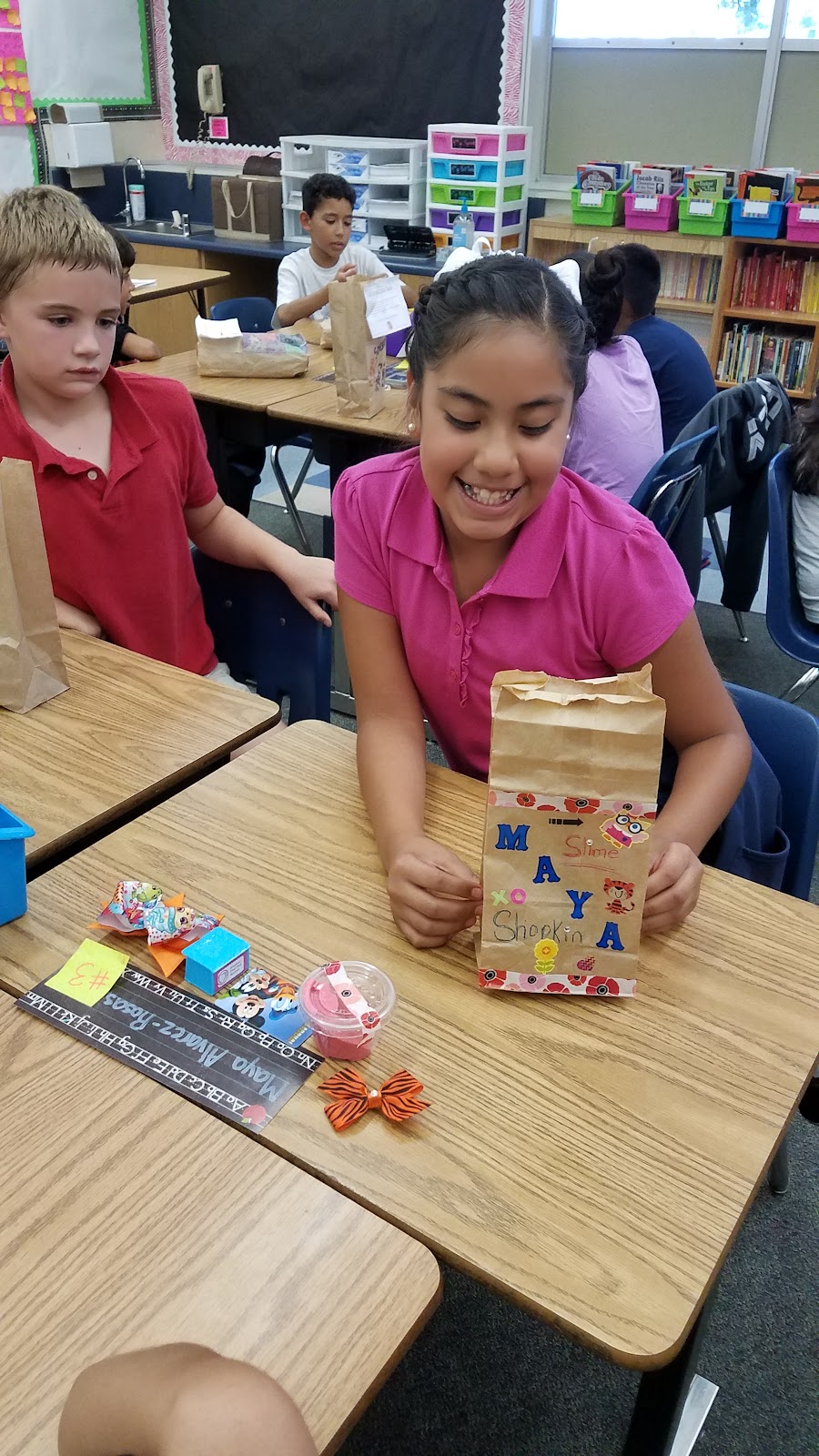 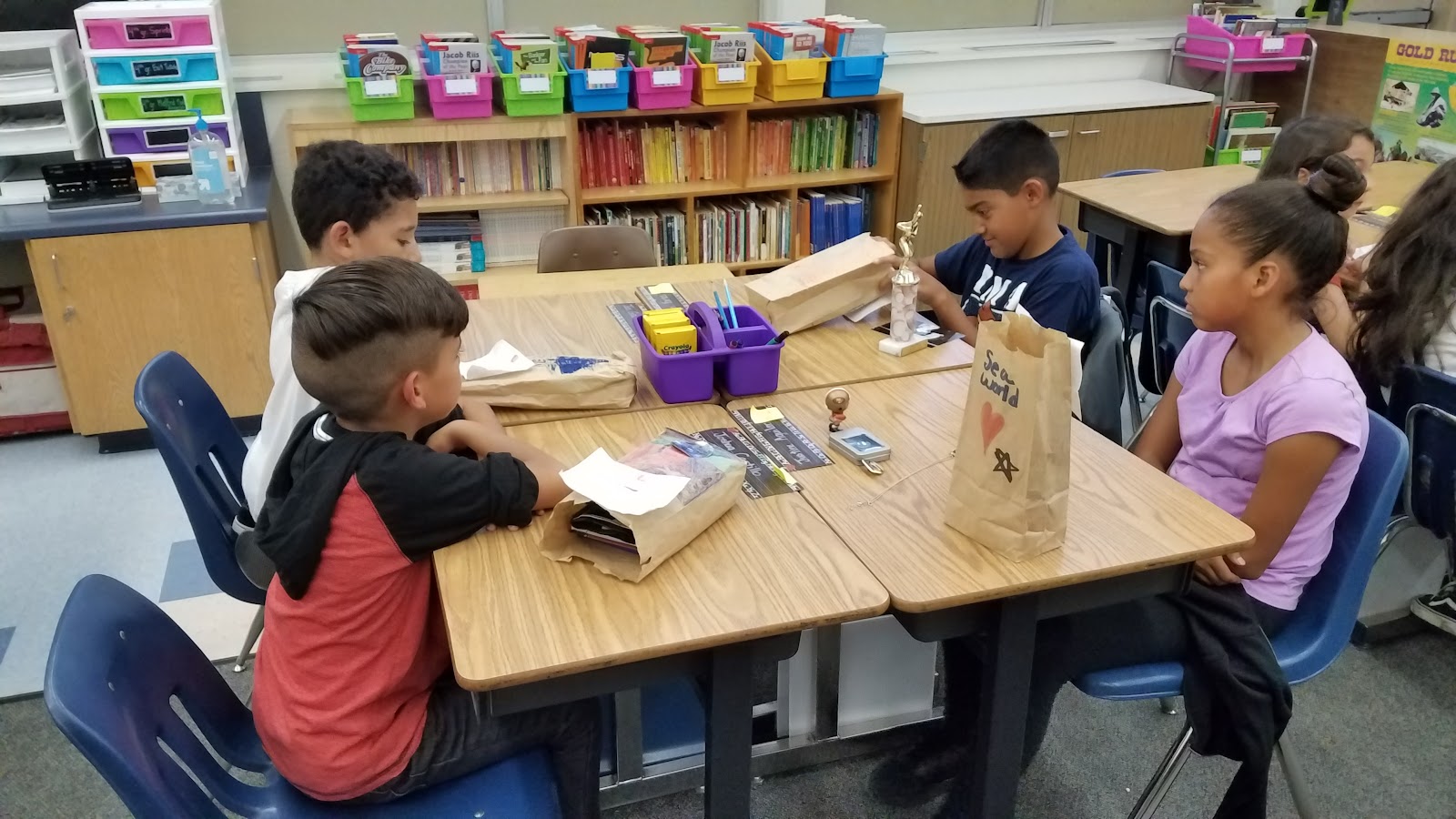 | |||||


Subscribe to:
Comments (Atom)
Most Viewed Posts
-
 In my previous post, I discussed how incorporating Kagan engagement structures into your classroom can help not only increase the engagem...
 -
 Fluency: Sprints in Eureka Math What is "fluency" in terms of mathematics? And what is the purpose? Eureka Math explains fluenc...
 -
If you're familiar with Kagan, then the "Rally Coach" structure is not a stranger. However, you may have forgotten about thi...
